I Fried Canned Meat And It Tasted Like Gourmet Pork Cutlets
I Fried Canned Meat And It Tasted Like Gourmet Pork Cutlets
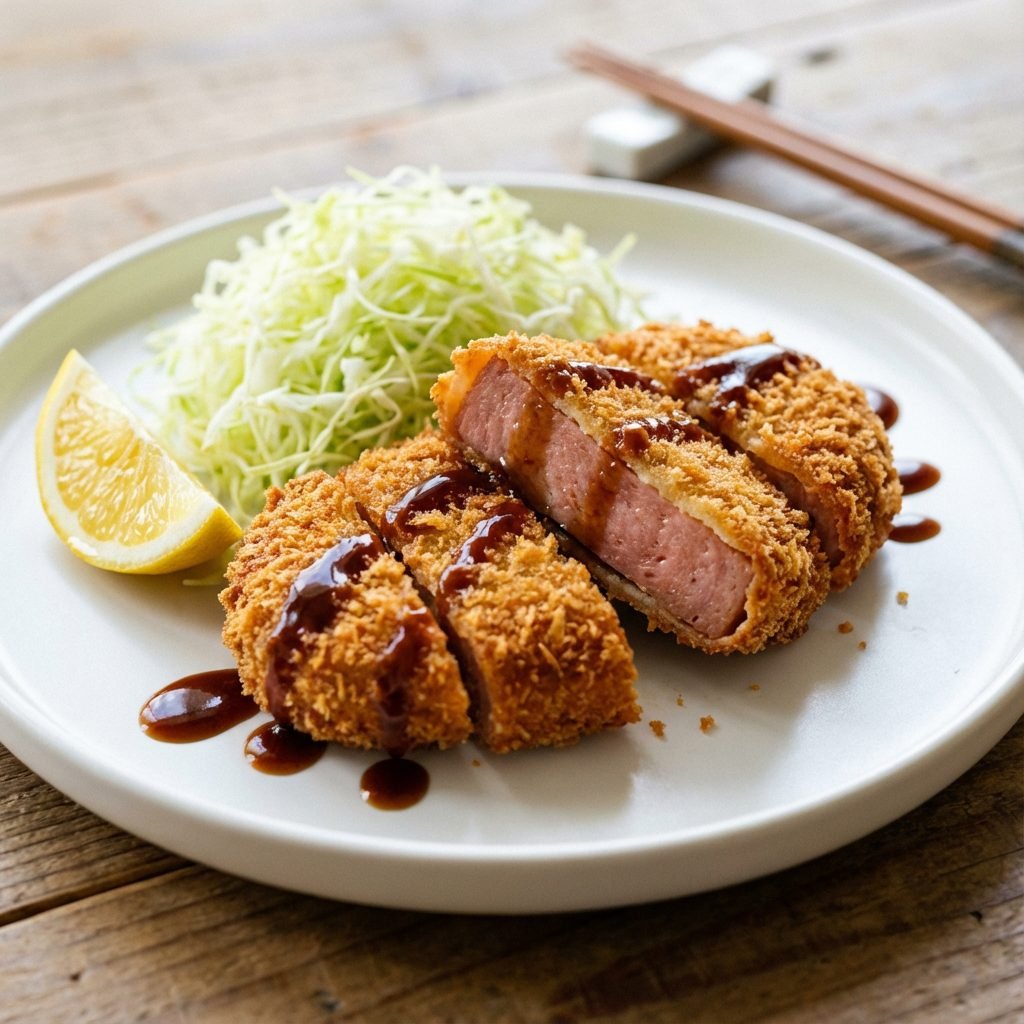
Let’s be honest. Canned meat doesn’t exactly scream ‘gourmet.’ For many, it’s a pantry staple reserved for emergencies, camping trips, or moments of nostalgic indulgence. It’s salty, it’s uniform, and it comes in a tin. But what if I told you that with a few simple techniques, you could transform this humble block of processed pork into a dish so crispy, savory, and satisfying that it could stand shoulder-to-shoulder with a classic pork cutlet? I was a skeptic, too. The idea seemed preposterous. But driven by culinary curiosity and a love for a good kitchen challenge, I decided to give it a try. I treated a can of luncheon meat not as a shortcut, but as a blank canvas. I sliced it, coated it in a three-step breading, and pan-fried it to a perfect golden-brown. The result was nothing short of a revelation. The exterior was shatteringly crisp, thanks to Japanese panko breadcrumbs, while the interior became tender and juicy, its inherent saltiness perfectly balanced by the crunchy coating. It was a textural masterpiece that defied all my expectations. This recipe isn’t just about making canned meat edible; it’s about elevating it to something genuinely delicious and proving that incredible meals can come from the most unexpected places.
10 minutes
10-15 minutes
20-25 minutes
Serves 2-4 (makes 4-6 cutlets)
Main Course
Pan-Frying
Modern American
Standard
Why You’ll Love This Recipe
- Transforms a budget pantry staple into a surprisingly elegant meal.
- Achieves a perfectly crispy, golden-brown crust with a juicy interior.
- Ready in under 30 minutes, making it ideal for a quick weeknight dinner.
- Extremely versatile and can be served in various culinary styles.
- A fun and delicious kitchen experiment for skeptics and food lovers alike.
Equipment You’ll Need
- Large Skillet (10-12 inch)
- Tongs
- Three shallow dishes or pie plates
- Cutting board and sharp knife
- Wire cooling rack
- Paper towels
Ingredients
- 1 (12-ounce) can luncheon meat (e.g., SPAM Classic or a similar brand)
- 1/2 cup all-purpose flour
- 1 teaspoon garlic powder
- 1/2 teaspoon freshly ground black pepper
- 1/2 teaspoon smoked paprika
- 2 large eggs
- 1 tablespoon milk or water
- 1 1/2 cups panko breadcrumbs
- 1/2 to 3/4 cup neutral oil for frying (such as canola, vegetable, or peanut oil)
- For serving (optional): Lemon wedges, tonkatsu sauce, fresh parsley
Instructions
- First, prepare the meat. Open the can of luncheon meat and carefully slide the block out onto a cutting board. Pat the entire surface thoroughly dry with paper towels. This step is crucial for getting the breading to adhere properly.
- Slice the meat into 4 to 6 uniform slices, each about 1/3 to 1/2 inch thick.
- Set up your dredging station. You’ll need three shallow dishes. In the first dish, whisk together the all-purpose flour, garlic powder, black pepper, and smoked paprika.
- In the second dish, beat the eggs with the tablespoon of milk or water until smooth.
- In the third dish, spread out the panko breadcrumbs in an even layer.
- Bread the cutlets one by one. First, dredge a slice of meat in the seasoned flour mixture, ensuring it’s fully coated, and then shake off any excess. Next, dip it into the egg wash, letting any excess drip off. Finally, press the cutlet firmly into the panko breadcrumbs, coating both sides completely. Set the breaded cutlets aside on a clean plate or parchment paper.
- Heat the oil in a large skillet over medium-high heat. You should have about 1/4 inch of oil in the pan. The oil is ready when a single panko breadcrumb sizzles immediately upon contact.
- Carefully place 2-3 breaded cutlets into the hot oil, being sure not to overcrowd the pan. Fry for about 2-4 minutes per side, or until they are a deep golden brown and crispy.
- Using tongs, transfer the cooked cutlets to a wire rack to drain. This allows air to circulate and keeps the bottom from becoming soggy. Sprinkle with a tiny pinch of salt if desired, though the meat is already quite salty.
- Repeat with the remaining cutlets, adding more oil to the pan if necessary and allowing it to come back to temperature.
- Serve immediately while hot and crispy with your choice of accompaniments.
Expert Cooking Tips
- Don’t skip patting the meat dry. Moisture is the enemy of a crispy coating.
- Use one hand for the dry ingredients (flour, panko) and the other for the wet (egg) to keep your fingers from becoming a clumpy mess.
- For an extra-thick crust, you can double-dredge: flour, egg, flour, egg, then panko.
- Regulate the heat carefully. If the panko is browning too quickly, lower the heat slightly. If the cutlets are absorbing too much oil and not browning, increase the heat.
- Panko breadcrumbs are highly recommended over regular breadcrumbs for their light, airy texture that results in a superior crunch.
Substitutions and Variations
For a gluten-free version, use a gluten-free all-purpose flour blend and gluten-free panko breadcrumbs. The seasonings in the flour are customizable; feel free to add onion powder, cayenne for a bit of heat, or dried thyme. Any brand of canned luncheon meat works, including low-sodium or turkey varieties, though cooking times and flavor will vary slightly.
Common Mistakes to Avoid
The most common mistake is having the oil at the wrong temperature. Too low, and the cutlets will be greasy and heavy. Too high, and the breading will burn before the inside is heated through. Another frequent error is overcrowding the pan, which drastically lowers the oil temperature and leads to steaming rather than frying. Finally, do not drain the cutlets on paper towels; a wire rack is essential for maintaining that perfect 360-degree crispiness.
Serving Suggestions
Serve these cutlets ‘katsu-style’ with a side of finely shredded cabbage, a scoop of steamed white rice, and a generous drizzle of Japanese tonkatsu sauce. For a German ‘schnitzel’ take, serve with a squeeze of fresh lemon, German potato salad, and a sprinkle of chopped parsley. They also make a phenomenal ‘katsu sando’—a Japanese-style sandwich on soft, crustless milk bread with tonkatsu sauce and Kewpie mayonnaise.
Storage and Reheating Tips
These cutlets are best enjoyed fresh. However, if you have leftovers, they can be stored in an airtight container in the refrigerator for up to 2 days. To reheat and restore their crispness, place them in a single layer in an air fryer or a conventional oven at 375°F (190°C) for 5-8 minutes. Microwaving is not recommended as it will make the breading soft and soggy.
Nutrition Facts (Estimated)
| Serving Size | 1 cutlet (approx. 3 oz) |
| Calories | 450 kcal |
| Fat | 32g |
| Saturated Fat | 11g |
| Unsaturated Fat | 21g |
| Trans Fat | 0g |
| Cholesterol | 95mg |
| Sodium | 950mg |
| Carbohydrates | 22g |
| Fiber | 2g |
| Sugar | 2g |
| Protein | 18g |
Frequently Asked Questions
Can I really just use any canned meat, like SPAM?
Absolutely. SPAM Classic works perfectly for this recipe, as do many other store-brand luncheon meats. The high fat content contributes to a juicy interior when fried.
Is it possible to bake these instead of frying?
Yes, for a lower-fat option, you can bake them. Preheat your oven to 425°F (220°C). Place the breaded cutlets on a wire rack set inside a baking sheet. Spray them generously with cooking spray and bake for 15-20 minutes, flipping halfway through, until golden and crisp. The texture won’t be quite as crunchy as pan-frying, but it’s still delicious.
Why does the breading sometimes fall off?
This usually happens for one of three reasons: the meat wasn’t patted dry enough, you skipped one of the dredging steps (the flour gives the egg something to cling to), or you moved the cutlets around too much in the pan before the crust had a chance to set. Be gentle when flipping.
Conclusion
This recipe is a testament to the magic of culinary transformation. It takes one of the most unassuming ingredients in the pantry and, with a little technique and care, turns it into something genuinely impressive. The contrast between the shatteringly crisp panko crust and the savory, tender meat inside is a delight for the senses. So, the next time you see that can of luncheon meat sitting in your cupboard, don’t dismiss it. See it as an opportunity. An opportunity to challenge your perceptions, to have fun in the kitchen, and to create a meal that is not only surprisingly delicious but also wonderfully satisfying. Give it a try—you might just find your new favorite guilty pleasure.