The Magic Cake You Can Make With No Eggs, Milk, or Butter
The Magic Cake You Can Make With No Eggs, Milk, Or Butter
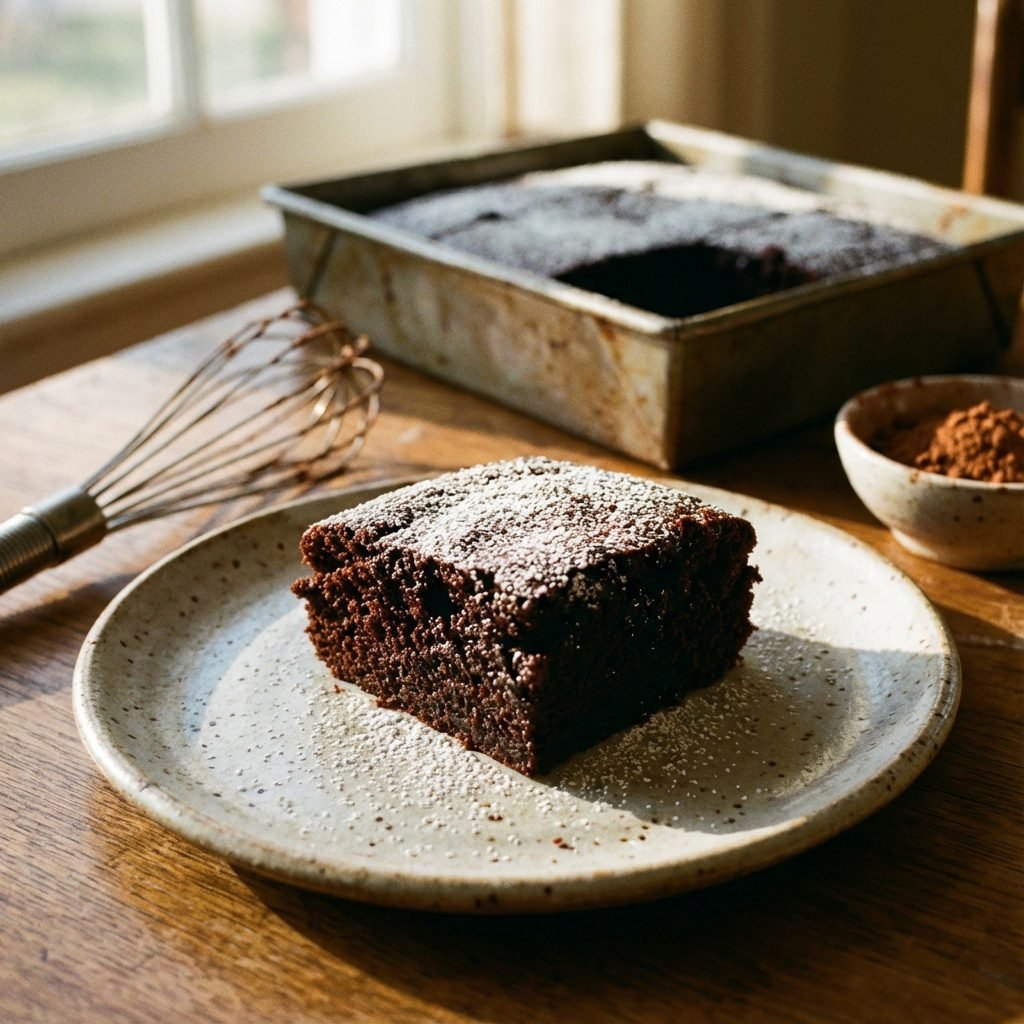
Step into a world of culinary alchemy with a recipe that defies expectations. This is the story of a cake born from necessity, often called a ‘Depression Cake’ or ‘Wacky Cake,’ that proves you don’t need a pantry full of dairy or eggs to create something truly spectacular. The magic isn’t in what’s missing; it’s in the simple, clever chemistry of its ingredients. By combining basic pantry staples, a simple chemical reaction between vinegar and baking soda leavens the batter, creating an impossibly moist, rich, and tender chocolate cake. It’s a one-bowl wonder that comes together in minutes, requires no special equipment, and delivers a deeply satisfying dessert that will leave everyone asking for your secret. Prepare to be amazed by the most resourceful and delicious cake you’ve ever made.
10 minutes
30-35 minutes
1 hour 15 minutes
9 servings
Dessert
Baking
American
Vegan
Why You’ll Love This Recipe
- Completely vegan and dairy-free.
- Made with common, inexpensive pantry staples.
- Quick and easy one-bowl preparation.
- Incredibly moist crumb and rich chocolate flavor.
- A historical recipe with a fascinating backstory.
Equipment You’ll Need
- 8×8 inch square baking pan
- Large mixing bowl (or mix directly in the pan)
- Whisk
- Measuring cups and spoons
- Spatula
Ingredients
- 1 1/2 cups all-purpose flour
- 1 cup granulated sugar
- 3 tablespoons unsweetened cocoa powder
- 1 teaspoon baking soda
- 1/2 teaspoon salt
- 1 teaspoon white vinegar
- 1 teaspoon pure vanilla extract
- 5 tablespoons vegetable oil (or other neutral oil)
- 1 cup cold water
Instructions
- Preheat your oven to 350°F (175°C). Grease and flour an 8×8 inch square baking pan, or simply use the pan itself for mixing for a true one-pan method.
- In a large mixing bowl (or directly in your prepared baking pan), add the flour, sugar, cocoa powder, baking soda, and salt.
- Whisk the dry ingredients together thoroughly until they are well combined and free of lumps.
- Using the back of a spoon, create three indentations or ‘wells’ in the dry mixture. Make two small wells and one larger one.
- Pour the white vinegar into the first small well. Pour the vanilla extract into the second small well.
- Pour the vegetable oil into the large well. Separating the wet ingredients like this helps ensure they don’t activate the baking soda prematurely.
- Pour the 1 cup of cold water over the entire mixture.
- Using a whisk or a spatula, mix everything together until just combined. Be careful not to overmix; a few small lumps are perfectly fine. The batter will be thin.
- If you mixed in a separate bowl, pour the batter into your prepared 8×8 inch pan and spread it evenly.
- Bake for 30-35 minutes, or until a wooden toothpick inserted into the center of the cake comes out clean.
- Remove the cake from the oven and let it cool completely in the pan on a wire rack before frosting or slicing.
Expert Cooking Tips
- Do not overmix. Mix only until the flour streaks disappear. Overmixing develops gluten, which will result in a tough, rubbery cake.
- Use cold water. The chemical reaction that creates lift happens when the acid (vinegar) meets the base (baking soda). Cold water slows this reaction, allowing the cake to rise fully in the oven’s heat.
- Sift your dry ingredients, especially the cocoa powder and baking soda, to prevent lumps and ensure an even, tender crumb.
- Ensure your baking soda is fresh. To test it, place a small amount in a bowl and add a splash of vinegar. If it fizzes vigorously, it’s still active.
Substitutions and Variations
For the oil, any neutral-flavored oil like canola, sunflower, or melted coconut oil will work. For the vinegar, apple cider vinegar can be used in a pinch. To make a vanilla version (a ‘Crazy Cake’), simply omit the cocoa powder and add an extra 3-4 tablespoons of flour to maintain the right consistency.
Common Mistakes to Avoid
The single most common mistake is overmixing the batter. This cake’s tender, moist texture depends on a light hand. Stop mixing as soon as the ingredients are combined. Another potential pitfall is using old baking soda, which won’t provide the necessary lift, resulting in a dense, flat cake. Always test your leavening agent if you’re unsure of its freshness.
Serving Suggestions
This cake is wonderfully versatile. Serve it plain with a simple dusting of powdered sugar for a classic look. For a richer dessert, top with a vegan chocolate fudge frosting, a dollop of coconut whipped cream, or a scoop of dairy-free vanilla ice cream. Fresh berries, like raspberries or strawberries, provide a beautiful color and flavor contrast.
Storage and Reheating Tips
Store the unfrosted cake in an airtight container at room temperature for up to 3 days. If you’ve added frosting, it’s best to store it covered in the refrigerator for up to 5 days. For the best flavor and texture, allow refrigerated cake to sit at room temperature for about 20-30 minutes before serving.
Nutrition Facts (Estimated)
| Serving Size | 1 slice (1/9th of cake) |
| Calories | 295 kcal |
| Fat | 13g |
| Saturated Fat | 1.5g |
| Unsaturated Fat | 11.5g |
| Trans Fat | 0g |
| Cholesterol | 0mg |
| Sodium | 340mg |
| Carbohydrates | 42g |
| Fiber | 2g |
| Sugar | 28g |
| Protein | 4g |
Frequently Asked Questions
Why does this recipe really work without eggs or milk?
The magic is in the chemistry. The leavening is created by the reaction between the acidic vinegar and the alkaline baking soda. This reaction produces carbon dioxide gas, which creates bubbles in the batter, making the cake rise and become light and airy. The oil provides the fat content needed for moisture, a role typically filled by butter or egg yolks.
Can I make this into cupcakes?
Absolutely! This recipe works perfectly for cupcakes. Line a muffin tin with 12 paper liners and fill each one about two-thirds full. Bake at 350°F (175°C) for 18-22 minutes, or until a toothpick inserted into the center comes out clean.
My batter seems very thin. Is that correct?
Yes, it is. The batter for this cake is noticeably thinner and more liquid than traditional cake batters. Do not be tempted to add more flour. This high moisture content is key to the cake’s famously moist crumb.
Conclusion
This Magic Cake is more than just a recipe; it’s a testament to ingenuity and the proof that simple ingredients can yield extraordinary results. Whether you’re baking for someone with dietary restrictions, have found your pantry bare, or are simply curious to try a piece of culinary history, this cake will not disappoint. It’s a humble, reliable, and utterly delightful dessert that has earned its place as a cherished classic for generations. Enjoy every magical bite!