Don’t Toss Stale Bread: Make This Hearty Ribollita Soup Instead
Don’T Toss Stale Bread: Make This Hearty Ribollita Soup Instead
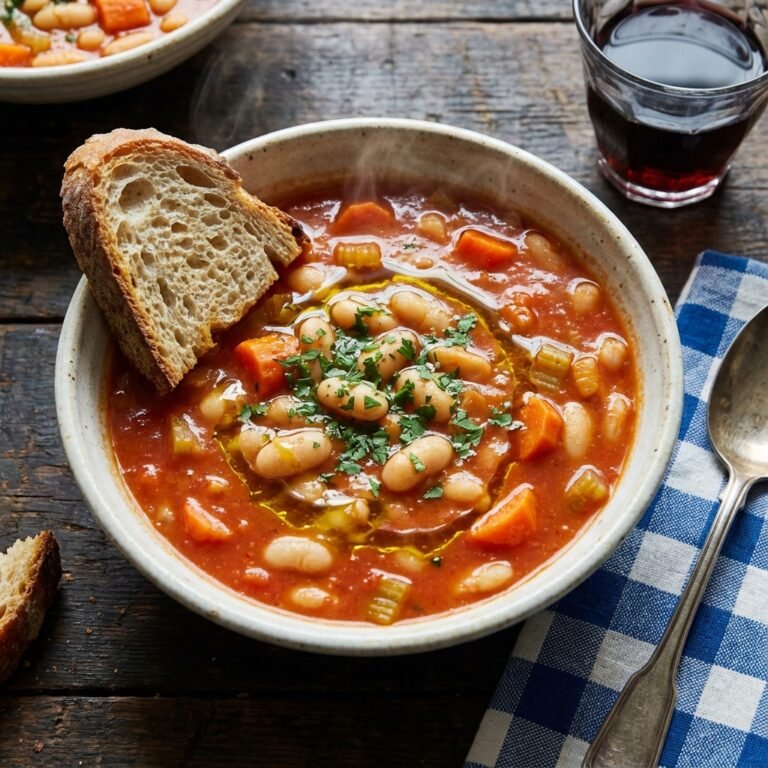
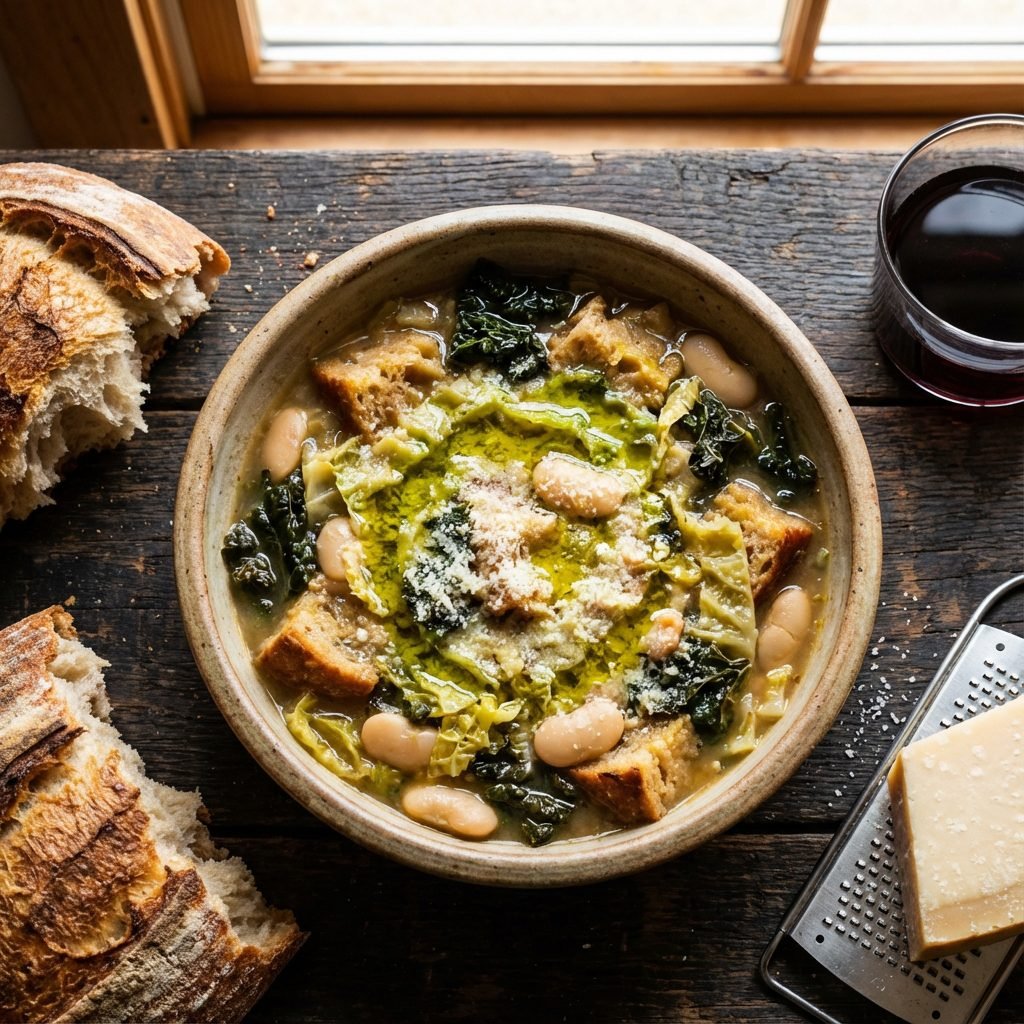
In the heart of Tuscany, the principle of ‘cucina povera,’ or ‘poor kitchen,’ has given rise to some of Italy’s most beloved and resourceful dishes. Ribollita is the crowning jewel of this philosophy. Translating to ‘reboiled,’ this rustic soup was born from the need to stretch meals and waste nothing. It’s a miraculous transformation of humble, leftover ingredients—stale bread, hardy winter vegetables, and creamy cannellini beans—into a thick, nourishing stew that is profoundly more than the sum of its parts. This recipe honors that tradition, creating a deeply flavorful, satisfying meal that will warm you from the inside out. Forget everything you think you know about vegetable soup; Ribollita is a hearty, bread-thickened potage that eats like a complete meal, and it’s famously even better the next day.
25 minutes
1 hour 15 minutes
1 hour 40 minutes
Serves 6-8
Soup / Main Course
Simmering
Italian (Tuscan)
Vegetarian
Why You’ll Love This Recipe
- Authentic Tuscan ‘cucina povera’ recipe
- Transforms stale bread into a delicious, key ingredient
- Packed with nutrient-rich vegetables like lacinato kale and cannellini beans
- A true one-pot meal that is both hearty and healthy
- Flavors deepen overnight, making it perfect for leftovers
Equipment You’ll Need
- Large Dutch oven or heavy-bottomed pot (at least 6 quarts)
- Chef’s knife
- Large cutting board
- Wooden spoon or spatula
- Ladle
Ingredients
- 1/4 cup extra-virgin olive oil, plus more for serving
- 1 large yellow onion, chopped
- 2 large carrots, chopped
- 3 celery stalks, chopped
- 4 cloves garlic, minced
- 1/2 teaspoon red pepper flakes (optional)
- 1 (28-ounce) can crushed or whole peeled tomatoes, crushed by hand
- 2 (15-ounce) cans cannellini beans, rinsed and drained
- 6 cups vegetable broth
- 1 parmesan rind (optional, for flavor)
- 1 teaspoon dried oregano
- 2 bay leaves
- Salt and freshly ground black pepper to taste
- 1 small head of savoy cabbage, cored and roughly chopped
- 1 bunch lacinato (Tuscan) kale, stems removed and leaves chopped
- 1/2 pound (about 4-5 cups) stale, crusty bread (like ciabatta or a country loaf), torn or cut into 1-inch cubes
- Freshly grated Parmesan cheese, for serving
Instructions
- Heat the 1/4 cup of olive oil in a large Dutch oven or heavy-bottomed pot over medium heat. Add the chopped onion, carrots, and celery (this is your ‘soffritto’). Cook, stirring occasionally, for 8-10 minutes, until the vegetables have softened and the onion is translucent.
- Add the minced garlic and red pepper flakes (if using) and cook for another minute until fragrant, being careful not to burn the garlic.
- Pour in the crushed tomatoes, scraping up any browned bits from the bottom of the pot. Cook for about 5 minutes, allowing the tomatoes to darken slightly in color.
- Add one can of the rinsed cannellini beans to the pot. Take the second can of beans and mash about half of them with a fork before adding the entire can (mashed and whole) to the pot. This helps to thicken the soup.
- Pour in the vegetable broth and add the Parmesan rind (if using), dried oregano, and bay leaves. Season generously with salt and black pepper. Bring the mixture to a boil, then reduce the heat to low, cover, and let it simmer for at least 30 minutes to allow the flavors to meld.
- Stir in the chopped cabbage and kale. The pot will seem very full, but the greens will wilt down significantly. Cover and continue to simmer for another 20-30 minutes, or until the greens are very tender.
- Remove and discard the bay leaves and the Parmesan rind. Taste the soup and adjust seasoning with more salt and pepper as needed. The soup base should be well-seasoned at this point.
- Stir the stale bread cubes directly into the soup. Let them soak for about 10-15 minutes, stirring gently, until they have absorbed the broth and softened, thickening the soup into a hearty stew.
- To serve, ladle the Ribollita into bowls. Drizzle generously with high-quality extra-virgin olive oil and top with a liberal amount of freshly grated Parmesan cheese.
Expert Cooking Tips
- The right bread is crucial. Use a sturdy, artisan-style loaf with a thick crust. Soft sandwich bread will disintegrate and create a pasty texture.
- Don’t rush the soffritto. Cooking the onion, carrot, and celery slowly builds a deep, sweet flavor base for the entire soup.
- Be generous with high-quality olive oil. It’s a key flavor component, both in the cooking process and as a finishing drizzle.
- For the most authentic flavor, let the soup cool completely and then reheat it before serving. This is the ‘reboiled’ step that gives the dish its name and deepens the flavor.
Substitutions and Variations
For a vegan version, simply omit the Parmesan rind and cheese topping; a sprinkle of nutritional yeast can add a similar savory note. Great Northern beans or chickpeas can be used in place of cannellini. Swiss chard or spinach can be substituted for kale, though they will cook down faster. If you don’t have stale bread, toast fresh bread cubes in a 350°F (175°C) oven until dry and lightly golden.
Common Mistakes to Avoid
The most common mistake is using fresh, soft bread, which will turn to mush. Ensure your bread is properly stale and firm. Another pitfall is under-cooking the greens; lacinato kale and cabbage need ample time to become tender and sweet. Finally, don’t under-season. This soup has many components, and each layer needs seasoning, so taste and adjust as you go.
Serving Suggestions
Serve Ribollita hot in large, rustic bowls. A generous drizzle of peppery extra-virgin olive oil and a snowfall of freshly grated Parmesan cheese are non-negotiable finishes. While it’s a complete meal, a simple green salad with a lemon vinaigrette can provide a fresh contrast. A glass of Chianti Classico is the perfect Tuscan pairing.
Storage and Reheating Tips
Ribollita is an excellent make-ahead dish. Store leftovers in an airtight container in the refrigerator for up to 5 days. The soup will thicken considerably as it sits; you may need to add a splash of water or broth when reheating. For longer storage, freeze the soup base *before* adding the bread. Thaw, reheat, and then stir in the stale bread before serving.
Nutrition Facts (Estimated)
| Serving Size | 1 bowl (approx. 2 cups) |
| Calories | 380 kcal |
| Fat | 14g |
| Saturated Fat | 3g |
| Unsaturated Fat | 11g |
| Trans Fat | 0g |
| Cholesterol | 5mg |
| Sodium | 720mg |
| Carbohydrates | 52g |
| Fiber | 13g |
| Sugar | 9g |
| Protein | 16g |
Frequently Asked Questions
What is the best kind of bread to use for Ribollita?
A rustic, artisan-style Italian country loaf, like ciabatta or pane toscano, is ideal. You need a bread with an open crumb and a sturdy crust that can absorb the broth without completely falling apart.
Can I make this recipe gluten-free?
Yes, you can. Use your favorite sturdy, gluten-free bread. Ensure it is very dry and toasted well before adding it to the soup to prevent it from becoming gummy.
My Ribollita is extremely thick, almost like a porridge. Is that correct?
Yes, that is the traditional consistency. Ribollita is meant to be a very thick ‘zuppa’ that is eaten with a fork as much as a spoon. If you prefer it thinner, you can simply add less bread or stir in a bit more vegetable broth when reheating.
Conclusion
Embracing the spirit of ‘cucina povera’ with this Ribollita recipe is more than just a cooking exercise; it’s a lesson in flavor, frugality, and comfort. It’s a testament to the idea that the most satisfying meals often come from the simplest ingredients, handled with care. Each spoonful is a rustic, hearty taste of Tuscany—a perfect way to give new life to old bread and fill your home with the incredible aroma of a slow-simmered soup.