Potato Pasta: The ‘Carb on Carb’ Depression Meal That’s Shockingly Good
Potato Pasta: The ‘Carb On Carb’ Depression Meal That’S Shockingly Good
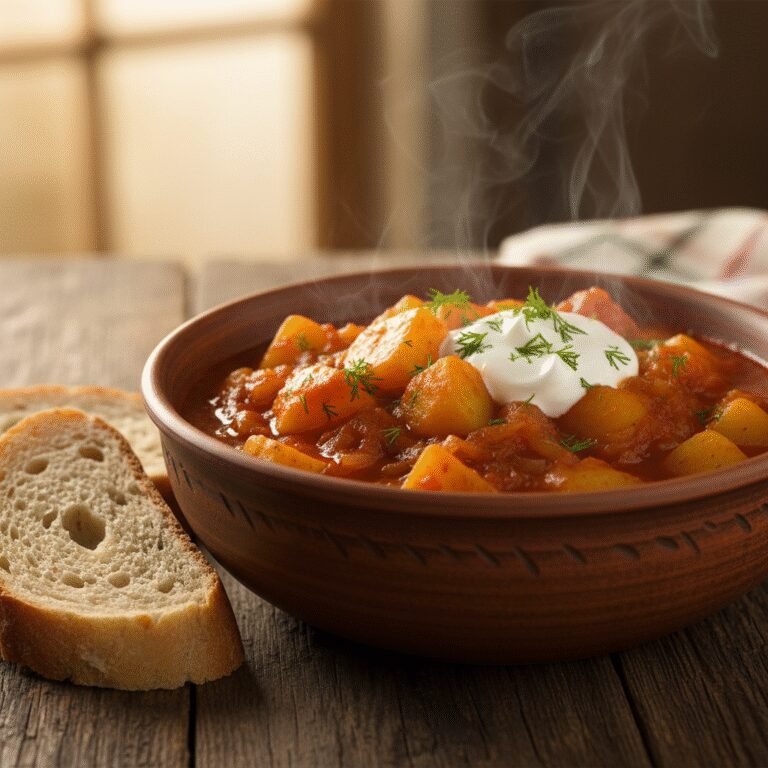
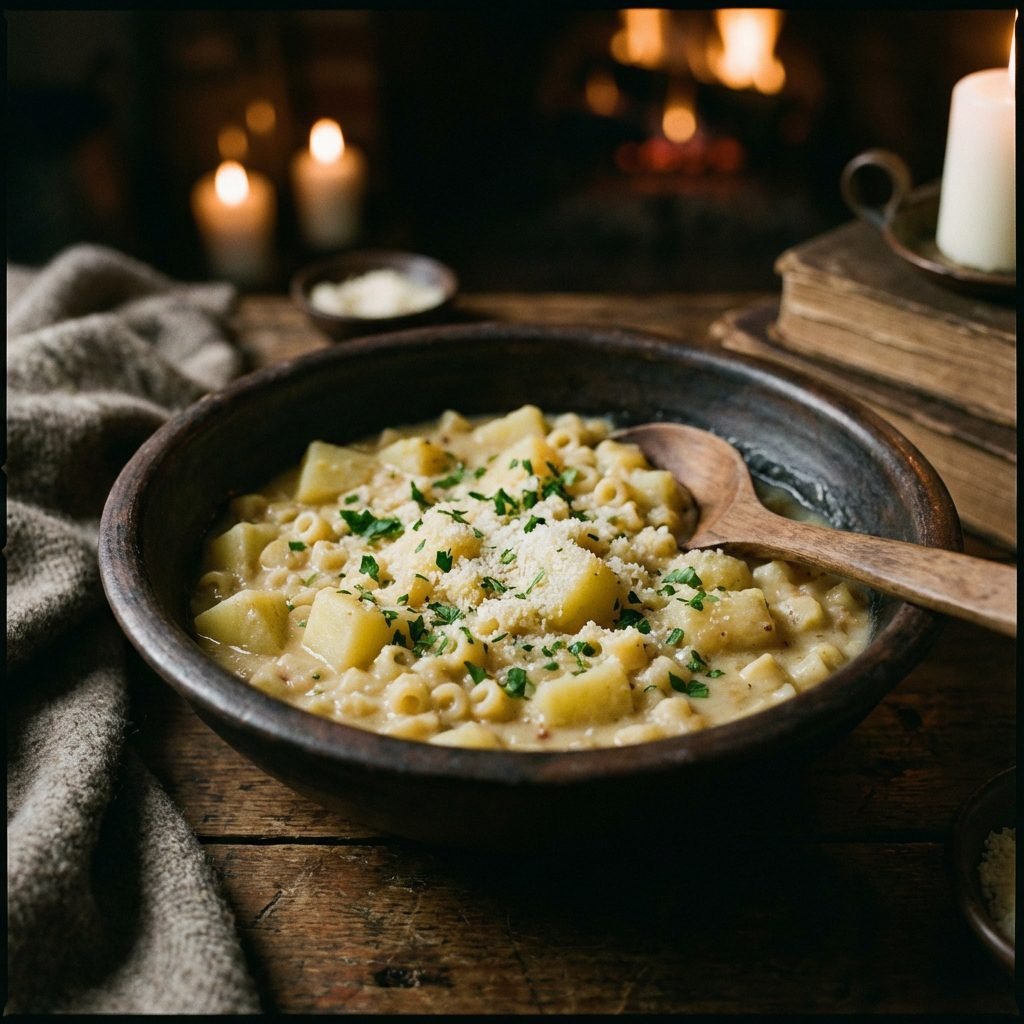
Let’s be honest: the phrase ‘potato pasta’ sounds like a culinary redundancy, a ‘carb on carb’ creation whispered about in hushed tones. Paired with the moniker ‘depression meal,’ it might conjure images of a bland, desperate pantry raid. But I’m here to tell you to discard those preconceptions. This dish, with roots in the resourceful, rustic cooking of Italy (pasta e patate), is one of the most profoundly comforting, deeply satisfying, and shockingly delicious meals you can make. It’s a testament to the magic that happens when humble ingredients are treated with a little respect. The starch from the potatoes breaks down to create a luxuriously creamy sauce that clings to every piece of pasta, no heavy cream required. It is, in essence, a hug in a bowl—and sometimes, that’s exactly what dinner needs to be.
15 minutes
30 minutes
45 minutes
4-6 servings
Main Course
One-Pot, Stovetop
Italian-American / Comfort Food
Vegetarian
Why You’ll Love This Recipe
- Ultimate comfort food: creamy, hearty, and deeply satisfying.
- Budget-friendly: made with simple, inexpensive pantry staples.
- One-pot meal: minimizes cleanup and maximizes flavor.
- Naturally vegetarian with easy vegan and meat-lover variations.
Equipment You’ll Need
- Large pot or Dutch oven
- Chef’s knife
- Cutting board
- Wooden spoon or sturdy spatula
- Measuring cups and spoons
- Vegetable peeler
- Cheese grater
Ingredients
- 3 tablespoons extra-virgin olive oil, plus more for serving
- 1 large yellow onion, finely chopped
- 4 cloves garlic, minced
- 1/2 teaspoon red pepper flakes (optional)
- 2 pounds (about 4 medium) Russet or Yukon Gold potatoes, peeled and cut into 1/2-inch cubes
- 1 teaspoon dried rosemary or 1 sprig fresh rosemary
- 6 cups vegetable or chicken broth, plus more as needed
- Kosher salt and freshly ground black pepper to taste
- 1 cup (about 8 ounces) small pasta, such as ditalini, small shells, or broken spaghetti
- 1 cup freshly grated Parmesan cheese, plus more for serving
- 1/4 cup chopped fresh parsley
Instructions
- Heat the olive oil in a large pot or Dutch oven over medium heat. Add the chopped onion and cook, stirring occasionally, until softened and translucent, about 5-7 minutes.
- Add the minced garlic and red pepper flakes (if using) and cook for another minute until fragrant, being careful not to burn the garlic.
- Add the cubed potatoes, rosemary, 1 teaspoon of kosher salt, and a generous amount of black pepper. Stir to coat the potatoes with the aromatics.
- Pour in the 6 cups of broth. Bring the mixture to a boil, then reduce the heat to a simmer. Cover and cook for 15-20 minutes, or until the potatoes are very tender and can be easily pierced with a fork.
- Once the potatoes are tender, use the back of your wooden spoon to mash about a quarter of the potato cubes against the side of the pot. This releases their starch and begins to create the signature creamy sauce.
- Bring the mixture back to a steady simmer. Stir in the dry pasta. Cook, stirring frequently to prevent sticking, for the duration specified on the pasta package, or until al dente. The liquid should thicken considerably. If it becomes too thick before the pasta is cooked, add another 1/2 cup of broth or hot water.
- Once the pasta is cooked, remove the pot from the heat. If you used a fresh rosemary sprig, remove and discard it now.
- Stir in the 1 cup of grated Parmesan cheese and the fresh parsley. The cheese will melt into the sauce, making it even creamier. Taste and adjust seasoning with more salt and pepper if needed.
- Ladle into bowls and serve immediately, garnished with an extra sprinkle of Parmesan, a drizzle of good extra-virgin olive oil, and more fresh parsley.
Expert Cooking Tips
- Use Starchy Potatoes: Russet or Idaho potatoes are best for this recipe. Their high starch content is crucial for creating the creamy sauce without adding any dairy.
- Don’t Under-Salt: Potatoes and pasta are bland and absorb a lot of salt. Be sure to salt the broth well and taste for seasoning at the end. The final dish should be savory, not bland.
- Mash for Creaminess: Don’t skip the step of mashing some of the potatoes. This is the single most important technique for achieving a velvety, rich texture.
- Stir, Stir, Stir: Once you add the pasta, the starchy liquid can cause it to stick to the bottom of the pot. Stir frequently to ensure even cooking and prevent scorching.
- Embrace the ‘Al Dente’ Bite: Cook the pasta just until it’s al dente. It will continue to soften slightly in the hot stew, and you want to avoid it turning to mush.
Substitutions and Variations
For a heartier, non-vegetarian version, sauté 4 ounces of diced pancetta or Italian sausage with the onion. For a vegan option, use a high-quality olive oil or vegan butter, omit the Parmesan, and stir in 1/4 cup of nutritional yeast at the end for a cheesy flavor. You can also add other vegetables like diced carrots and celery along with the onions for more flavor and nutrition.
Common Mistakes to Avoid
The most common mistake is using the wrong type of potato; waxy potatoes won’t break down enough to create a creamy sauce. Another pitfall is not using enough liquid; the pasta absorbs a surprising amount, so don’t be afraid to add more broth or water as it cooks to maintain a stew-like consistency rather than a dry paste. Finally, avoid using large pasta shapes. Small shapes like ditalini or shells are ideal because they ensure you get a perfect ratio of potato, pasta, and sauce in every spoonful.
Serving Suggestions
Serve this dish hot and fresh in deep, rustic bowls. A generous garnish of extra Parmesan, a final drizzle of high-quality extra-virgin olive oil, and a sprinkle of fresh parsley are non-negotiable for the best flavor. While it’s a complete meal on its own, a simple green salad with a sharp lemon vinaigrette provides a refreshing contrast to the richness of the pasta.
Storage and Reheating Tips
Store leftovers in an airtight container in the refrigerator for up to 3 days. Be aware that the pasta will continue to absorb the liquid as it sits, making the leftovers much thicker. To reheat, add a splash of broth or water and gently warm on the stovetop over low heat, stirring until smooth and heated through.
Nutrition Facts (Estimated)
| Serving Size | 1.5 cups |
| Calories | 560 kcal |
| Fat | 18g |
| Saturated Fat | 7g |
| Unsaturated Fat | 11g |
| Trans Fat | 0g |
| Cholesterol | 30mg |
| Sodium | 850mg |
| Carbohydrates | 84g |
| Fiber | 8g |
| Sugar | 5g |
| Protein | 16g |
Frequently Asked Questions
Can I make this dish gluten-free?
Yes, you can use your favorite gluten-free small pasta. Be aware that gluten-free pastas can have different cooking times and textures, and may absorb more liquid. Keep a close eye on it and add more broth as needed.
Is this dish supposed to be soupy?
No, the final consistency should be more like a thick, creamy stew than a brothy soup. The starchy sauce should coat every piece of potato and pasta. If it’s too thin, you can let it simmer for a few more minutes (without the lid) to reduce. If it’s too thick, stir in a splash of warm broth.
Why is it sometimes called a ‘depression meal’?
The term often refers to meals made from inexpensive, long-lasting pantry staples that provide maximum comfort and calories for minimal cost. Historically, dishes like this were born out of necessity and resourcefulness during lean times. Today, the term also resonates with the idea of ‘comfort food’ we turn to when we need an emotional lift—something warm, simple, and restorative.
Conclusion
Potato Pasta is a defiant act of culinary comfort. It breaks the conventional rules to deliver something far greater than the sum of its humble parts. It’s a reminder that the most memorable meals aren’t always the most complex or expensive. They are the ones that nourish us, body and soul. So, the next time you crave something simple, hearty, and unapologetically comforting, embrace the carb-on-carb brilliance of this dish. You’ll be shocked at how good it is.