Authentic German Potato Dumplings (The Perfect Gravy Soaker)
Authentic German Potato Dumplings (The Perfect Gravy Soaker)
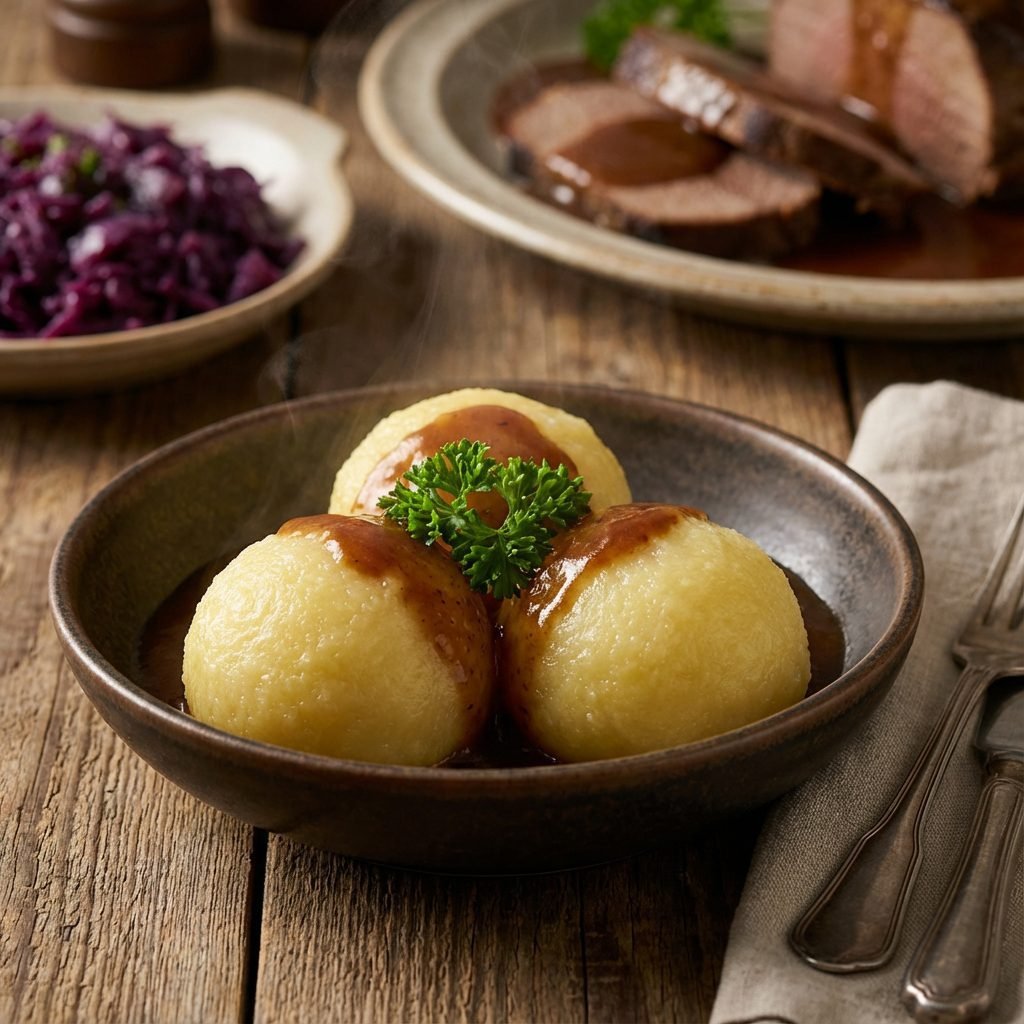
Step into the heart of German comfort food with this authentic recipe for Kartoffelklöße, or potato dumplings. These are not the dense, heavy dumplings you might be familiar with; true German potato dumplings are pillowy, light, and tender, with a satisfyingly chewy texture. Their magic lies in their simplicity, crafted from little more than starchy potatoes and potato starch. The result is a culinary masterpiece designed for one glorious purpose: to be the ultimate vessel for rich, savory gravy. Whether served alongside a classic Sauerbraten, a hearty Rouladen, or a simple mushroom sauce, these dumplings soak up every last drop of flavor, transforming a great meal into an unforgettable one. Mastering this recipe is a rite of passage for any lover of European cuisine, and we’ll guide you through every step to ensure perfect, fluffy results every time.
30 minutes (plus 1 hour for potato cooling)
50 minutes
2 hours 20 minutes
Serves 4-6 (makes about 12 dumplings)
Side Dish
Boiling
German
Vegetarian
Why You’ll Love This Recipe
- Features an authentic, time-tested German recipe.
- Achieves a perfectly light, fluffy, and pillowy texture.
- Made from simple, inexpensive pantry staples.
- The ultimate side dish for soaking up rich gravies and sauces.
- Naturally gluten-free when using certified gluten-free croutons or omitting them.
Equipment You’ll Need
- Large stockpot
- Potato peeler
- Colander
- Potato ricer or food mill
- Large mixing bowl
- Slotted spoon
Ingredients
- 2.2 lbs (about 1 kg) starchy potatoes, such as Russet or Idaho
- 1 cup (120g) potato starch, plus more if needed
- 1 large egg yolk
- 1.5 teaspoons salt, plus more for boiling water
- 1/4 teaspoon freshly grated nutmeg
- 12-16 day-old bread croutons, toasted (optional)
Instructions
- Wash the potatoes but do not peel them. Place them in a large stockpot and cover with cold water. Add a generous pinch of salt. Bring to a boil and cook for 25-30 minutes, or until they are easily pierced with a fork but not falling apart.
- Drain the potatoes thoroughly. While they are still hot, carefully peel the skins off using a paring knife. The skins should slide off easily.
- Place the peeled potatoes on a baking sheet or in a large bowl and allow them to cool completely and steam dry. This is a critical step. Letting them cool for at least an hour, or even refrigerating them, will reduce moisture and result in a lighter dumpling. Do not skip this.
- Once completely cool, pass the potatoes through a potato ricer or food mill into a large mixing bowl. Ricing creates a fine, uniform texture without developing gluten, which is key to a light dumpling. Do not use a food processor or blender, as this will make the potatoes gummy.
- Sprinkle the riced potatoes with the potato starch, salt, and nutmeg. Add the egg yolk. Using your hands, gently and quickly bring the ingredients together to form a smooth, pliable dough. Do not overwork the dough, as this will make the dumplings tough. If the dough feels overly sticky, add a little more potato starch, one tablespoon at a time.
- Bring a large stockpot of salted water to a gentle simmer over medium heat. Do not let it come to a rolling boil.
- Take a portion of dough about the size of a golf ball or small lime. Flatten it in your palm, place one toasted crouton in the center (if using), and enclose the dough around it, rolling it gently between your palms to form a smooth, seamless ball. The crouton center is a traditional touch that helps the dumpling cook evenly.
- Repeat with the remaining dough until you have about 12 uniform dumplings. Keep your hands slightly damp with water to prevent sticking.
- Carefully lower the dumplings into the simmering water using a slotted spoon. Do not overcrowd the pot; cook in batches if necessary. The dumplings will sink to the bottom.
- Let the dumplings simmer gently for about 20 minutes. They are ready when they float to the surface and have been floating for about 3-5 minutes. The water should be steaming and bubbling gently, but never at a full boil, which can cause them to disintegrate.
- Remove the cooked dumplings with a slotted spoon, allow any excess water to drain off, and serve immediately with your favorite gravy or sauce.
Expert Cooking Tips
- The type of potato is non-negotiable. Use a high-starch potato like Russets. Waxy potatoes (like red or new potatoes) will result in a dense, gummy texture.
- Ensure the boiled potatoes are as dry as possible before ricing. Letting them steam dry after peeling is crucial for a light and fluffy result.
- A potato ricer is highly recommended. It creates the ideal light, airy texture that is impossible to achieve by mashing.
- Work the dough as little as possible. The more you knead, the tougher the dumplings will become. Mix just until the ingredients are combined.
- Maintain a gentle simmer. A rolling boil is the number one enemy of potato dumplings and will cause them to fall apart in the water.
Substitutions and Variations
For a vegan version, you can omit the egg yolk. You may need to add an extra tablespoon or two of potato starch to help with binding. The recipe is naturally gluten-free; if adding croutons, ensure you use gluten-free bread.
Common Mistakes to Avoid
The most common mistake is using the wrong type of potato, leading to gummy dumplings. Another frequent error is not allowing the potatoes to cool and dry sufficiently, resulting in a wet, sticky dough that’s difficult to handle. Finally, boiling the dumplings too vigorously instead of gently simmering them can cause them to break apart in the pot.
Serving Suggestions
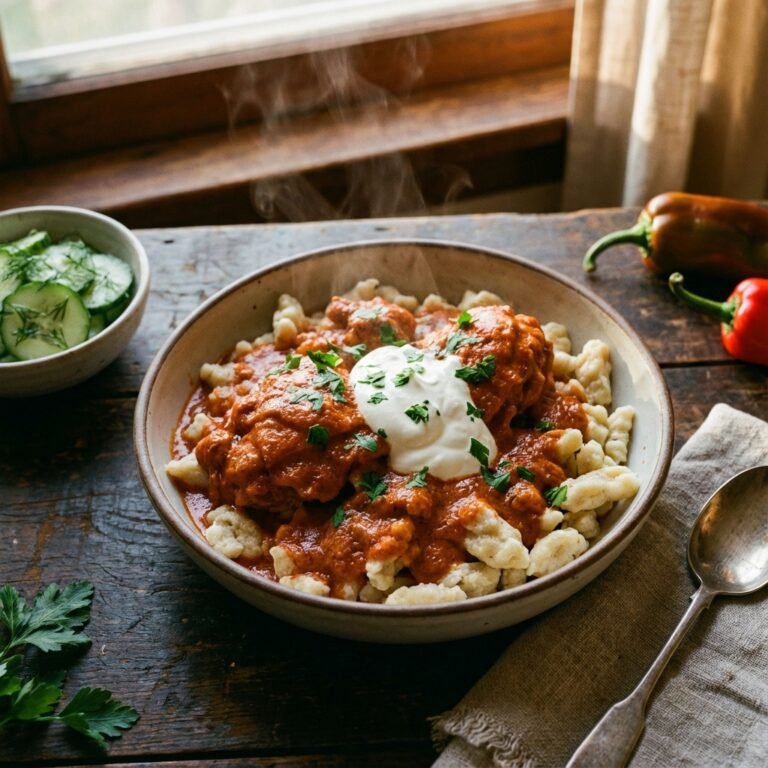
German Potato Dumplings are the quintessential partner for classic German roasts and braises. Serve them alongside Sauerbraten, Schweinshaxe (roasted pork knuckle), or Rouladen. They are also excellent with a simple mushroom gravy (Jägersoße) or served with caramelized onions. Always serve with plenty of sauce or gravy for soaking.
Storage and Reheating Tips
Store leftover dumplings in an airtight container in the refrigerator for up to 3 days. The best way to reheat them is by slicing them into 1/2-inch thick discs and pan-frying them in butter until golden brown and crispy on both sides. This method gives them a delicious new life.
Nutrition Facts (Estimated)
| Serving Size | 2 dumplings |
| Calories | 285 kcal |
| Fat | 2.5g |
| Saturated Fat | 1g |
| Unsaturated Fat | 1g |
| Trans Fat | 0g |
| Cholesterol | 45mg |
| Sodium | 450mg |
| Carbohydrates | 61g |
| Fiber | 5g |
| Sugar | 2g |
| Protein | 6g |
Frequently Asked Questions
Why did my potato dumplings fall apart in the water?
This usually happens for two reasons: the water was boiling too aggressively, or the dough lacked sufficient binder. Ensure you are only simmering the water gently. If the dough felt very loose, it may have needed a bit more potato starch to hold it together.
Can I make the dough ahead of time?
It is not recommended. Potato dough can oxidize and become gray and watery if it sits for too long. It’s best to form and cook the dumplings immediately after mixing the dough.
My dumplings were heavy and dense. What went wrong?
This is almost always caused by using waxy potatoes instead of starchy ones, or by overworking the dough. Be sure to use Russet potatoes and mix the dough just until it comes together.
Conclusion
With their tender, pillowy texture and unparalleled ability to carry gravy, these Authentic German Potato Dumplings are more than just a side dish—they are the heart of the meal. By following these steps and paying close attention to the details, like using the right potatoes and simmering gently, you can recreate this beloved German classic in your own kitchen. Prepare to impress your family and friends, and never let a drop of delicious gravy go to waste again.