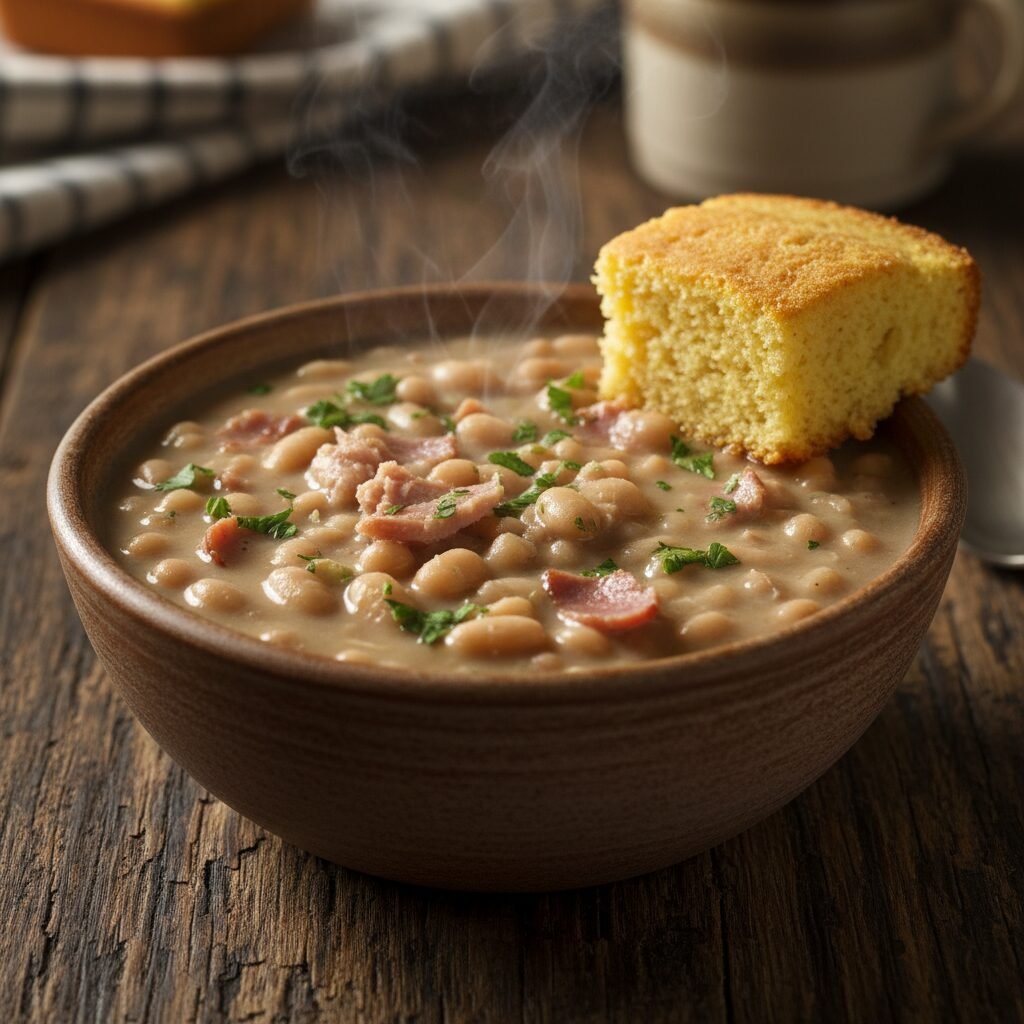
How To Stretch a Ham Bone into a Week of Creamy Navy Bean Soup
How To Stretch A Ham Bone Into A Week Of Creamy Navy Bean Soup
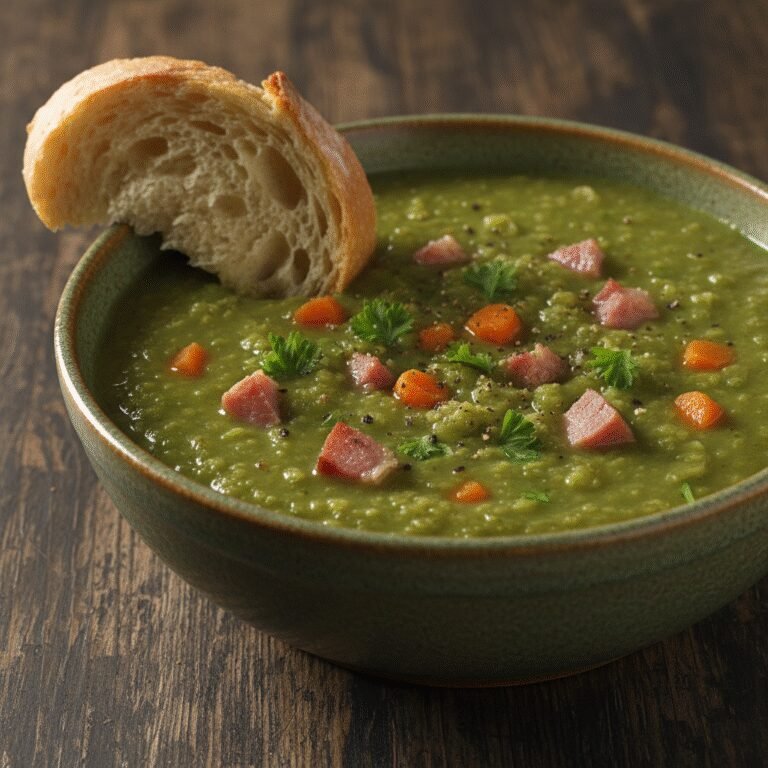
There is a special kind of kitchen magic that happens when you transform leftovers into something truly spectacular. This recipe is the epitome of that culinary alchemy. It takes a humble, picked-over ham bone—the remnant of a holiday feast or Sunday dinner—and coaxes from it a pot of soup so rich, creamy, and deeply flavorful, it will nourish you for a week. Navy bean soup is a timeless classic, a comforting hug in a bowl that speaks of hearth, home, and resourceful cooking. By slowly simmering the ham bone with tender navy beans and a foundation of aromatic vegetables, we unlock a smoky, savory depth that simply cannot be replicated with canned broth alone. This is more than just a recipe; it’s a strategy for maximizing flavor, minimizing waste, and creating an abundance of delicious, hearty meals from a single, economical starting point.
20 minutes (plus 8 hours or overnight for soaking beans)
3 hours
3 hours 20 minutes (plus soaking time)
10-12 servings (approx. 14 cups)
Soup
Stovetop Simmering
American
High-Protein
Why You’ll Love This Recipe
- Economical and Budget-Friendly: Transforms a leftover ham bone into multiple satisfying meals.
- Deep, Smoky Flavor: Slow simmering extracts every bit of savory goodness from the bone.
- Meal Prep Champion: Makes a large batch that tastes even better the next day.
- Hearty and Nutritious: Packed with protein and fiber from beans and vegetables.
- Incredibly Creamy Texture: Achieved naturally through the slow cooking of the beans.
Equipment You’ll Need
- Large stockpot or Dutch oven (at least 8 quarts)
- Cutting board
- Chef’s knife
- Wooden spoon or spatula
- Ladle
- Colander
- Tongs
Ingredients
- 1 large, meaty ham bone (from a previous meal)
- 1 lb (about 2 cups) dried navy beans
- 12 cups of water or low-sodium chicken broth, plus more if needed
- 2 tablespoons olive oil
- 2 large yellow onions, chopped
- 4 medium carrots, peeled and diced
- 4 celery stalks, diced
- 6 cloves garlic, minced
- 2 bay leaves
- 1 teaspoon dried thyme
- 1/2 teaspoon freshly ground black pepper
- Salt to taste
- 1/4 cup chopped fresh parsley, for garnish (optional)
Instructions
- The night before, prepare the beans. Pick through the dried beans to remove any small stones or debris. Place them in a large bowl or pot and cover with at least 2 inches of cold water. Let them soak for at least 8 hours or overnight.
- When ready to cook, drain the soaked beans in a colander and rinse them thoroughly. Set aside.
- In a large stockpot or Dutch oven, heat the olive oil over medium heat. Add the chopped onions, carrots, and celery (this trio is known as a mirepoix). Sauté for 8-10 minutes, stirring occasionally, until the vegetables have softened and the onions are translucent.
- Add the minced garlic and cook for another minute until fragrant, being careful not to let it burn.
- Place the ham bone in the center of the pot. Pour in the rinsed beans, arranging them around the bone. Add the bay leaves, dried thyme, and black pepper.
- Pour in the 12 cups of water or chicken broth. The liquid should cover all the ingredients by at least an inch. If it doesn’t, add more water.
- Bring the soup to a boil over high heat, then immediately reduce the heat to low. Cover the pot and let it simmer gently for 2.5 to 3 hours. Stir occasionally to prevent the beans from sticking to the bottom. The soup is ready for the next step when the beans are very tender and the meat is falling off the bone.
- Carefully remove the ham bone and bay leaves using tongs. Discard the bay leaves. Place the ham bone on a cutting board and let it cool slightly.
- Once cool enough to handle, pull all the meat from the bone. Shred or chop the meat into bite-sized pieces. Discard the bone and any excess fat.
- For an extra creamy soup, you can now use an immersion blender to briefly pulse the soup a few times (do not fully puree). Alternatively, ladle out about 2 cups of the soup (mostly beans and broth) into a regular blender, blend until smooth, and stir it back into the pot.
- Return the shredded ham to the pot and stir to combine. Let the soup simmer for another 15 minutes to allow the flavors to meld.
- Taste the soup and season with salt. Be cautious, as the ham bone will have added a significant amount of salt already. Add salt gradually until it reaches your desired taste.
- Ladle the hot soup into bowls. Garnish with fresh parsley, if using, and serve immediately.
Expert Cooking Tips
- Don’t Salt Too Soon: Adding salt at the beginning of the cooking process can prevent the beans from becoming fully tender. Always wait until the beans are soft before seasoning with salt.
- Gentle Simmer is Key: Avoid a rapid boil. A low, gentle simmer allows the beans to cook evenly and the flavors to develop slowly and deeply.
- Skim the Scum: In the first 30 minutes of simmering, some foam or scum may rise to the surface. Skimming this off with a spoon will result in a clearer, cleaner-tasting broth.
- Check Your Liquid Level: During the long simmer, some liquid will evaporate. Check the soup periodically and add a cup of hot water or broth if it looks too thick.
Substitutions and Variations
If you don’t have a ham bone, 2-3 smoked ham hocks can be used instead. For beans, Great Northern or cannellini beans are excellent substitutes for navy beans. For a vegetarian version, omit the ham and use vegetable broth, adding 1 teaspoon of smoked paprika for a smoky flavor.
Common Mistakes to Avoid
The most common mistake is undercooking the beans. They should be completely soft and creamy, not firm or grainy. Be patient and allow the full simmering time. Another pitfall is adding acidic ingredients like tomatoes or vinegar too early, which can also interfere with the beans softening. Finally, forgetting to soak the beans will dramatically increase the required cooking time and can lead to uneven results.
Serving Suggestions
This soup is a meal in itself, but it pairs wonderfully with a slice of crusty, buttered cornbread or a hearty sourdough loaf for dipping. A simple side salad with a sharp vinaigrette can cut through the richness of the soup. For a final touch, garnish each bowl with a dollop of sour cream, a sprinkle of sharp cheddar cheese, or a few dashes of your favorite hot sauce.
Storage and Reheating Tips
Allow the soup to cool completely before storing. It can be refrigerated in an airtight container for up to 5 days. This soup also freezes exceptionally well. Portion it into freezer-safe containers or bags and freeze for up to 3 months. To reheat, thaw in the refrigerator overnight and then gently warm on the stovetop, adding a splash of water or broth if it has thickened.
Nutrition Facts (Estimated)
| Serving Size | 1.5 cups |
| Calories | 425 kcal |
| Fat | 13g |
| Saturated Fat | 4g |
| Unsaturated Fat | 9g |
| Trans Fat | 0g |
| Cholesterol | 45mg |
| Sodium | 890mg |
| Carbohydrates | 48g |
| Fiber | 16g |
| Sugar | 7g |
| Protein | 31g |
Frequently Asked Questions
My beans are still hard after 3 hours. What went wrong?
This can happen for a few reasons. Your dried beans may be old, which makes them resistant to softening. It’s also possible you added salt or an acidic ingredient too early. The best solution is to simply keep simmering. Add more liquid if needed and continue cooking until they are tender, even if it takes an extra hour or two.
Can I make this recipe in a slow cooker or Instant Pot?
Absolutely. For a slow cooker, sauté the vegetables first, then add all ingredients to the cooker and cook on low for 8-10 hours. For an Instant Pot, sauté the vegetables using the ‘Sauté’ function, then add all other ingredients. Cook on high pressure for 40 minutes, followed by a natural pressure release for at least 20 minutes.
Is it necessary to soak the beans?
While you can technically skip soaking in a long-simmered recipe like this, we highly recommend it. Soaking ensures the beans cook evenly, reduces the overall cooking time, and can make them easier for some people to digest.
Conclusion
With this recipe, a single ham bone is not an ending, but a glorious beginning. You’ve created a week’s worth of warm, comforting, and deeply satisfying meals that are as kind to your wallet as they are to your palate. This is the essence of smart, soulful cooking—finding abundance in simplicity and turning the ordinary into the extraordinary. Enjoy every last, creamy spoonful.