Melt-In-Your-Mouth Chicken Francese: Better Than Piccata?
Melt-In-Your-Mouth Chicken Francese: Better Than Piccata?
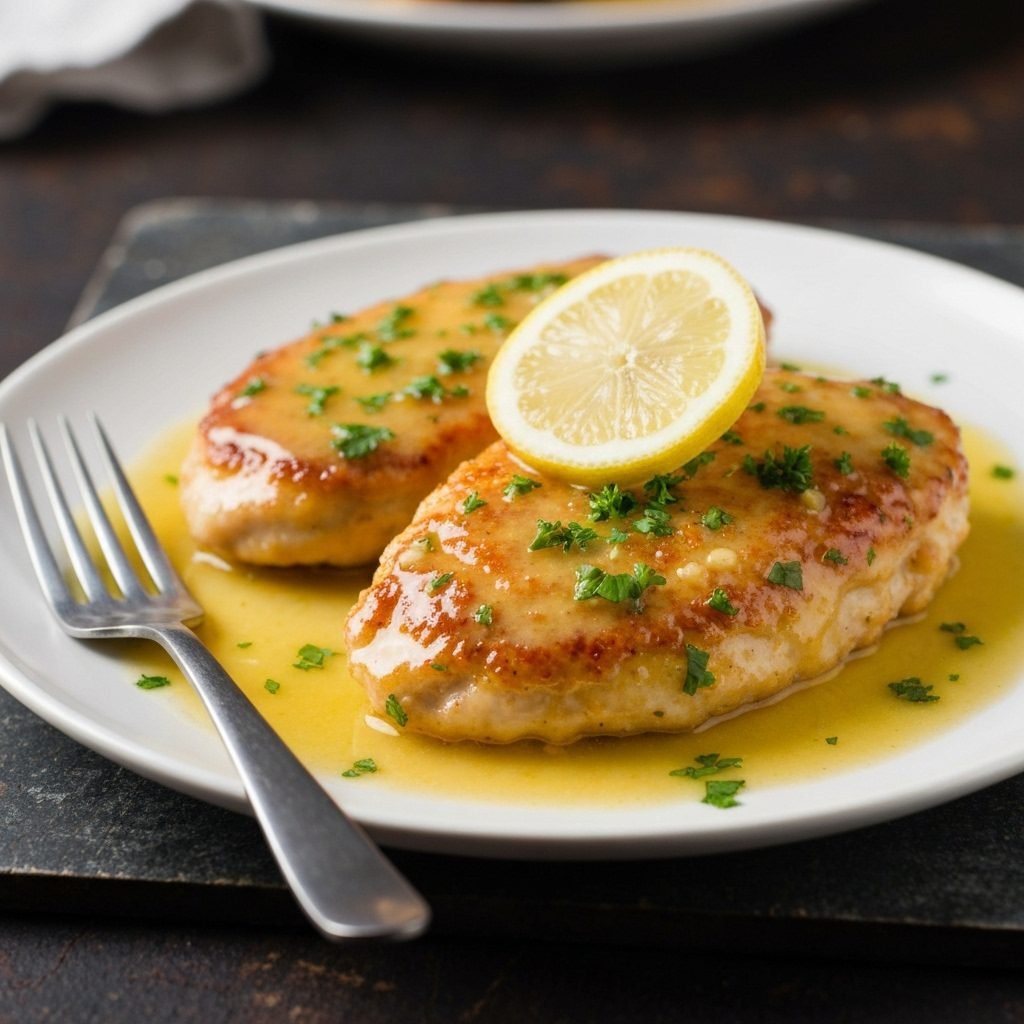
In the grand pantheon of Italian-American chicken dishes, two titans often vie for the top spot: Piccata and Francese. While Chicken Piccata, with its briny capers and bright lemon zing, is a well-known classic, its cousin, Chicken Francese, offers a different kind of culinary magic. Imagine tender chicken cutlets, pounded thin, dipped in a delicate egg batter, and pan-fried to a perfect golden-brown. This is then draped in a luscious, velvety sauce of white wine, lemon, and butter. The result is a dish that is at once elegant and comforting, sophisticated yet surprisingly simple to prepare. So, is it better than Piccata? That’s a debate for the dinner table, but this recipe makes a compelling case that the rich, eggy coating and silky sauce of Francese might just win you over for good.
15 minutes
20 minutes
35 minutes
4 servings
Main Course
Pan-Frying
Italian-American
Standard
Why You’ll Love This Recipe
- Restaurant-quality dish made at home in under 35 minutes.
- Features incredibly tender, juicy chicken with a delicate egg-parmesan crust.
- A luxurious, silky lemon-butter pan sauce that’s perfect over pasta or potatoes.
- Simpler than it looks, using common pantry staples.
Equipment You’ll Need
- Large skillet (12-inch, non-stick or stainless steel)
- Meat mallet or rolling pin
- Two shallow dishes or pie plates
- Whisk
- Tongs
- Measuring cups and spoons
Ingredients
- 2 large boneless, skinless chicken breasts (about 1.5 lbs total), halved horizontally to make 4 cutlets
- 1/2 cup all-purpose flour
- 1/2 teaspoon kosher salt, plus more to taste
- 1/4 teaspoon black pepper, freshly ground
- 2 large eggs
- 1/4 cup grated Parmesan cheese
- 1 tablespoon water
- 3 tablespoons olive oil
- 4 tablespoons unsalted butter, divided
- 1/2 cup dry white wine (such as Sauvignon Blanc or Pinot Grigio)
- 1/2 cup low-sodium chicken broth
- 1/4 cup fresh lemon juice (from 1-2 lemons)
- 2 tablespoons fresh parsley, chopped, for garnish
- Lemon slices for garnish (optional)
Instructions
- Place chicken cutlets between two sheets of plastic wrap and pound to an even 1/4-inch thickness using a meat mallet or rolling pin. Pat the chicken dry with paper towels.
- Set up your dredging station. In the first shallow dish, whisk together the flour, salt, and pepper.
- In the second shallow dish, whisk the eggs, Parmesan cheese, and 1 tablespoon of water until well combined and frothy.
- Working one at a time, dredge a chicken cutlet in the seasoned flour, shaking off any excess. Then, dip it into the egg mixture, ensuring it’s fully coated on both sides. Let any excess egg drip off.
- Heat the olive oil and 2 tablespoons of the butter in a large skillet over medium-high heat. Once the butter is melted and foaming, carefully place two of the coated chicken cutlets in the skillet. Do not overcrowd the pan.
- Cook for 3-4 minutes per side, until the coating is golden brown and the chicken is cooked through. Transfer the cooked chicken to a plate and keep warm. Repeat with the remaining two cutlets, adding more oil if needed.
- Reduce the heat to medium. Pour off any excess fat from the skillet. Add the white wine to deglaze the pan, scraping up any browned bits from the bottom. Let it simmer and reduce by about half, which should take about 2 minutes.
- Add the chicken broth and fresh lemon juice to the skillet. Bring to a simmer and cook for another 2-3 minutes until the sauce begins to thicken slightly.
- Remove the skillet from the heat. Whisk in the remaining 2 tablespoons of cold butter, one tablespoon at a time, until the sauce is smooth and emulsified.
- Return the chicken cutlets to the pan, turning them over to coat in the sauce. Let them warm through for about a minute.
- Serve immediately, spooning extra sauce over the chicken. Garnish with fresh parsley and lemon slices.
Expert Cooking Tips
- For the most tender chicken, be sure to pound it to an even thickness. This ensures it cooks quickly and evenly.
- Use fresh lemon juice. The bottled kind simply doesn’t compare and can have a bitter aftertaste.
- Do not overcrowd the pan when frying the chicken. Cook in batches to ensure a crispy, golden-brown crust.
- When making the sauce, add the final butter off the heat. This helps it emulsify properly, creating a silky, creamy texture without breaking.
Substitutions and Variations
For a non-alcoholic version, you can substitute the white wine with an equal amount of additional chicken broth and a teaspoon of white wine vinegar or extra lemon juice to maintain acidity. Veal cutlets (scaloppine) are a classic substitute for chicken. For a gluten-free option, use a quality all-purpose gluten-free flour blend for dredging.
Common Mistakes to Avoid
A common mistake is having the heat too high when frying, which can burn the delicate egg coating before the chicken is cooked through. Maintain a steady medium to medium-high heat. Another pitfall is a soggy crust; this happens if the oil isn’t hot enough when you add the chicken or if you overcrowd the pan, which lowers the oil temperature. Finally, don’t skip seasoning the flour—it’s the first layer of flavor for the entire dish.
Serving Suggestions
Chicken Francese is traditionally served over pasta, such as angel hair or linguine, to soak up the delicious sauce. It’s also excellent with creamy mashed potatoes, risotto, or simple polenta. For a vegetable side, serve with steamed asparagus, sautéed spinach with garlic, or green beans almandine. A simple arugula salad with a light vinaigrette also provides a fresh contrast.
Storage and Reheating Tips
Store leftover Chicken Francese in an airtight container in the refrigerator for up to 3 days. For best results, store the chicken and sauce separately if possible. To reheat, gently warm the chicken and sauce in a skillet over low heat until heated through. You can add a splash of chicken broth to the sauce to loosen it up if needed.
Nutrition Facts (Estimated)
| Serving Size | 1 chicken cutlet with sauce |
| Calories | 480 kcal |
| Fat | 28g |
| Saturated Fat | 12g |
| Unsaturated Fat | 14g |
| Trans Fat | 0g |
| Cholesterol | 210mg |
| Sodium | 550mg |
| Carbohydrates | 10g |
| Fiber | 1g |
| Sugar | 2g |
| Protein | 42g |
Frequently Asked Questions
What is the main difference between Chicken Francese and Chicken Piccata?
The primary difference is the coating on the chicken. Chicken Francese involves dipping the chicken in flour and then an egg batter before frying, resulting in a richer, softer crust. Chicken Piccata is dredged only in flour. Additionally, Piccata sauce traditionally includes capers, while Francese sauce does not.
Can I use chicken tenders instead of breasts?
Yes, chicken tenders work well for this recipe. You won’t need to pound them, just ensure they are cooked through. Adjust the cooking time accordingly as they will cook faster than cutlets.
My sauce seems too thin. How can I thicken it?
The sauce is meant to be light and velvety, not thick like a gravy. However, if you prefer it thicker, you can let it reduce for a few more minutes before adding the final butter. Alternatively, you can create a small slurry with 1 teaspoon of cornstarch and 1 tablespoon of cold water, whisk it into the simmering sauce, and cook for another minute until it thickens.
Conclusion
Chicken Francese is a testament to the beauty of simple, elegant cooking. With its tender texture and a sauce that strikes the perfect balance between bright citrus and rich butter, it’s a dish that feels special enough for a dinner party but is quick enough for a weeknight meal. So, while the debate between Francese and Piccata may rage on, one bite of this melt-in-your-mouth chicken might just declare a clear winner in your kitchen. We invite you to find out for yourself.