Creamy French Mustard Chicken (Fancy Dinner on a Shoestring)
Creamy French Mustard Chicken (Fancy Dinner On A Shoestring)
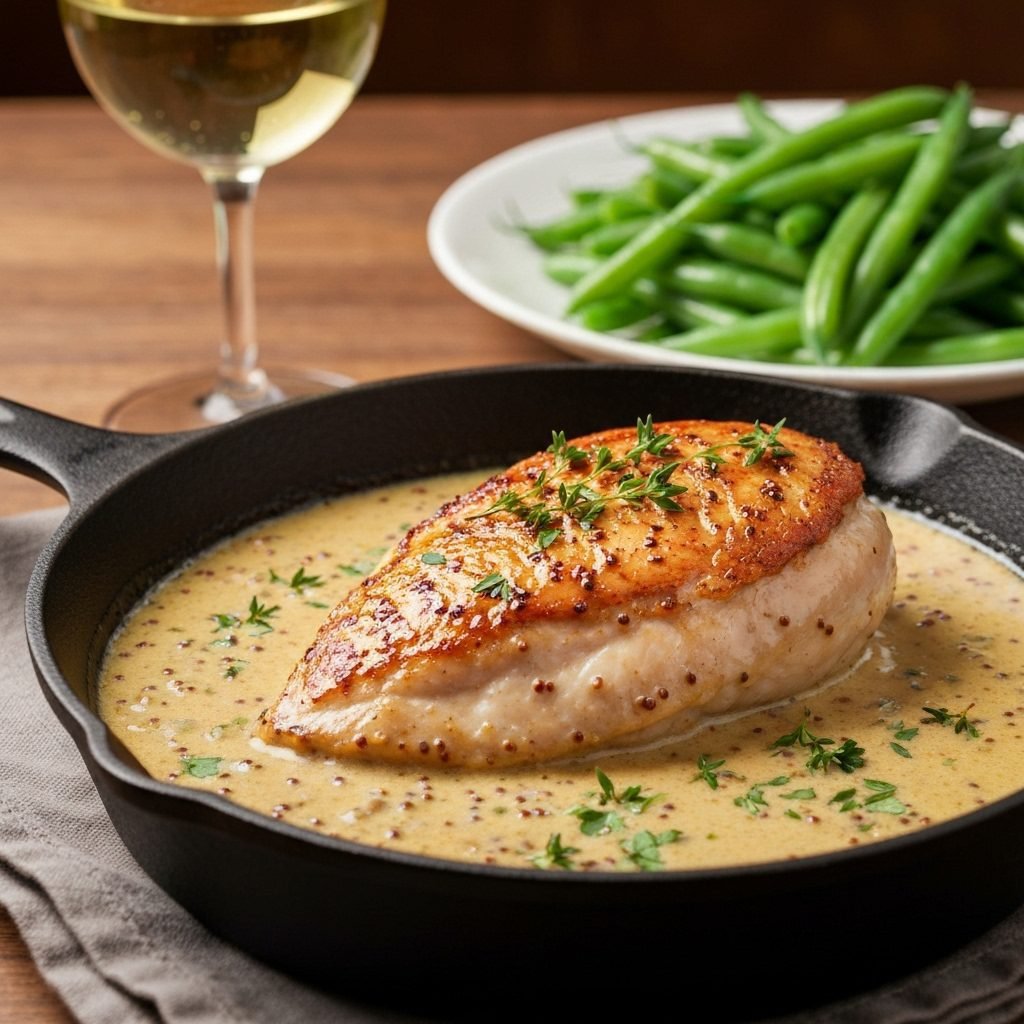
In the world of gastronomy, few cuisines balance rustic simplicity and profound elegance quite like French cooking. This Creamy French Mustard Chicken embodies that very spirit. It’s a dish that whispers of Parisian bistros and cozy countryside kitchens, yet comes together in under 30 minutes using ingredients that are both accessible and affordable. Imagine perfectly seared, juicy chicken breasts bathed in a luxuriously smooth pan sauce, alive with the piquant warmth of Dijon and the textural pop of whole grain mustard. This isn’t just a weeknight meal; it’s an experience. It’s the kind of dinner that feels special enough for a date night or a small celebration, but is so straightforward you’ll want to make it a regular part of your culinary rotation. We will walk you through creating that restaurant-quality ‘fond’—the browned bits in the pan that form the soul of any great sauce—and transforming it into a velvety, complex sauce that will have you reaching for a piece of crusty bread to savor every last drop. Prepare to elevate your home cooking with a dish that proves elegance doesn’t have to be complicated or costly.
10 minutes
20 minutes
30 minutes
4 servings
Main Course
Pan-Frying
French
Low-Carb, Keto-Friendly
Why You’ll Love This Recipe
- Ready in under 30 minutes for a quick and impressive meal.
- A one-pan dish, minimizing cleanup without sacrificing flavor.
- Achieves a restaurant-quality, complex pan sauce with simple techniques.
- Budget-friendly ingredients create a luxurious and elegant dinner.
- Versatile and easily adaptable with different cuts of chicken or protein.
Equipment You’ll Need
- Large skillet (cast iron, stainless steel, or heavy-bottomed non-stick)
- Tongs
- Whisk
- Cutting board
- Chef’s knife
- Measuring cups and spoons
Ingredients
- 4 boneless, skinless chicken breasts (about 6 oz / 170g each), pounded to an even thickness
- 1 tablespoon olive oil
- 1 tablespoon unsalted butter
- 1 medium shallot, finely minced
- 2 cloves garlic, minced
- 1/4 cup dry white wine (such as Sauvignon Blanc or Pinot Grigio)
- 3/4 cup low-sodium chicken broth
- 3/4 cup heavy cream
- 2 tablespoons Dijon mustard
- 1 tablespoon whole grain mustard
- 1 teaspoon fresh thyme leaves (or 1/4 teaspoon dried)
- Kosher salt and freshly ground black pepper to taste
- 2 tablespoons fresh parsley, chopped, for garnish
Instructions
- Pat the chicken breasts completely dry with paper towels. This is crucial for achieving a perfect sear. Season both sides generously with kosher salt and freshly ground black pepper.
- Place a large skillet over medium-high heat. Add the olive oil and butter. Once the butter has melted and is sizzling, carefully place the seasoned chicken breasts in the pan, ensuring they are not overcrowded. Cook for 5-7 minutes per side, or until golden brown and cooked through (internal temperature reaches 165°F or 74°C). Do not move the chicken while it’s searing to allow a crust to form.
- Once cooked, transfer the chicken to a plate and set aside. Tent loosely with foil to keep warm.
- Reduce the heat to medium. Add the minced shallot to the same skillet, scraping up any browned bits from the bottom of the pan. Sauté for 2-3 minutes until softened and fragrant.
- Add the minced garlic and fresh thyme leaves, and cook for another minute until aromatic. Be careful not to burn the garlic.
- Pour the white wine into the skillet to deglaze the pan. Use a wooden spoon or whisk to scrape all the flavorful browned bits (the ‘fond’) from the bottom. Let the wine simmer and reduce by about half, which should take 1-2 minutes.
- Whisk in the chicken broth, Dijon mustard, and whole grain mustard until smooth. Bring the mixture to a gentle simmer.
- Slowly pour in the heavy cream while whisking continuously. Continue to simmer the sauce for 3-5 minutes, stirring occasionally, until it has thickened enough to coat the back of a spoon.
- Taste the sauce and adjust seasoning with salt and pepper as needed. It should be well-seasoned but remember the mustard adds its own saltiness.
- Return the chicken breasts and any accumulated juices from the plate back into the skillet with the sauce. Spoon the sauce over the chicken. Let it warm through for 1-2 minutes.
- Remove the skillet from the heat. Garnish generously with fresh chopped parsley and serve immediately.
Expert Cooking Tips
- For juicier chicken, pound the breasts to an even 1/2-inch thickness. This ensures they cook evenly without drying out the thinner parts.
- Don’t overcrowd the pan when searing the chicken. Cook in two batches if necessary. Overcrowding steams the chicken instead of searing it, preventing that delicious golden crust.
- The browned bits, or ‘fond’, left in the pan after searing the chicken are pure flavor. Deglazing the pan with wine is the most important step for a rich, deep sauce.
- To prevent the cream from curdling, ensure the pan isn’t screaming hot when you add it. Pouring it in slowly while whisking also helps temper it into the sauce smoothly.
Substitutions and Variations
For a richer flavor, you can use boneless, skinless chicken thighs; adjust cooking time accordingly. If you prefer to cook without alcohol, you can substitute the white wine with an equal amount of chicken broth plus a teaspoon of white wine vinegar or lemon juice to add a touch of acidity. Crème fraîche can be used in place of heavy cream for a tangier, slightly thicker sauce. For herbs, fresh tarragon is another classic French pairing that works beautifully.
Common Mistakes to Avoid
The most common mistake is overcooking the chicken, resulting in a dry texture. Use a meat thermometer to check for an internal temperature of 165°F (74°C) for perfect results. Another frequent error is not allowing the sauce to reduce and thicken properly; be patient and let it simmer until it coats a spoon. Finally, don’t skip drying the chicken with paper towels before seasoning. A dry surface is essential for achieving a beautiful, golden-brown sear.
Serving Suggestions
This creamy chicken is exquisite served over a bed of fluffy mashed potatoes, egg noodles, or rice to soak up the incredible sauce. For a lower-carb option, serve it with cauliflower mash or zucchini noodles. A side of simple steamed or roasted vegetables, such as green beans, asparagus, or broccoli, provides a fresh contrast. Don’t forget a piece of crusty French baguette for mopping up every last bit of the sauce.
Storage and Reheating Tips
Store any leftovers in an airtight container in the refrigerator for up to 3 days. To reheat, gently warm the chicken and sauce in a skillet over low heat until heated through. You may need to add a splash of chicken broth or cream to loosen the sauce as it will thicken upon cooling. Avoid reheating in the microwave on high power, as it can make the chicken tough and cause the sauce to separate.
Nutrition Facts (Estimated)
| Serving Size | 1 chicken breast (approx. 6 oz) with sauce |
| Calories | 485 kcal |
| Fat | 32g |
| Saturated Fat | 16g |
| Unsaturated Fat | 14g |
| Trans Fat | 0g |
| Cholesterol | 195mg |
| Sodium | 680mg |
| Carbohydrates | 4g |
| Fiber | 1g |
| Sugar | 2g |
| Protein | 42g |
Frequently Asked Questions
Can I make this recipe dairy-free?
Yes, you can substitute the heavy cream with full-fat canned coconut milk or a dairy-free cooking cream. Note that this will alter the flavor profile, giving it a slightly sweeter, coconut-forward taste. Use unsalted butter substitute as well.
What kind of mustards are best for this dish?
A high-quality smooth Dijon mustard is essential for the sauce’s base flavor and creamy consistency. For the whole grain mustard, look for a ‘moutarde à l’ancienne’ for the best texture and authentic taste. Avoid using yellow American mustard.
Is it possible to make this ahead of time?
While it’s best served fresh, you can prepare the components. You can cook the chicken and make the sauce separately a day in advance. Store them in the refrigerator and then gently reheat them together in a skillet, adding a splash of broth to thin the sauce if needed, just before serving.
Conclusion
There you have it—a dish that delivers a truly five-star dining experience with minimal effort and expense. Creamy French Mustard Chicken is a testament to the power of good technique and quality ingredients. It’s a culinary triumph that proves a memorable meal is not about the number of ingredients, but the harmony between them. We encourage you to make this recipe your own, serve it with pride, and enjoy the simple, profound pleasure of a beautifully cooked meal. Bon appétit!