The Depression-Era Dessert That Tastes Like A Million Bucks
The Depression-Era Dessert That Tastes Like A Million Bucks
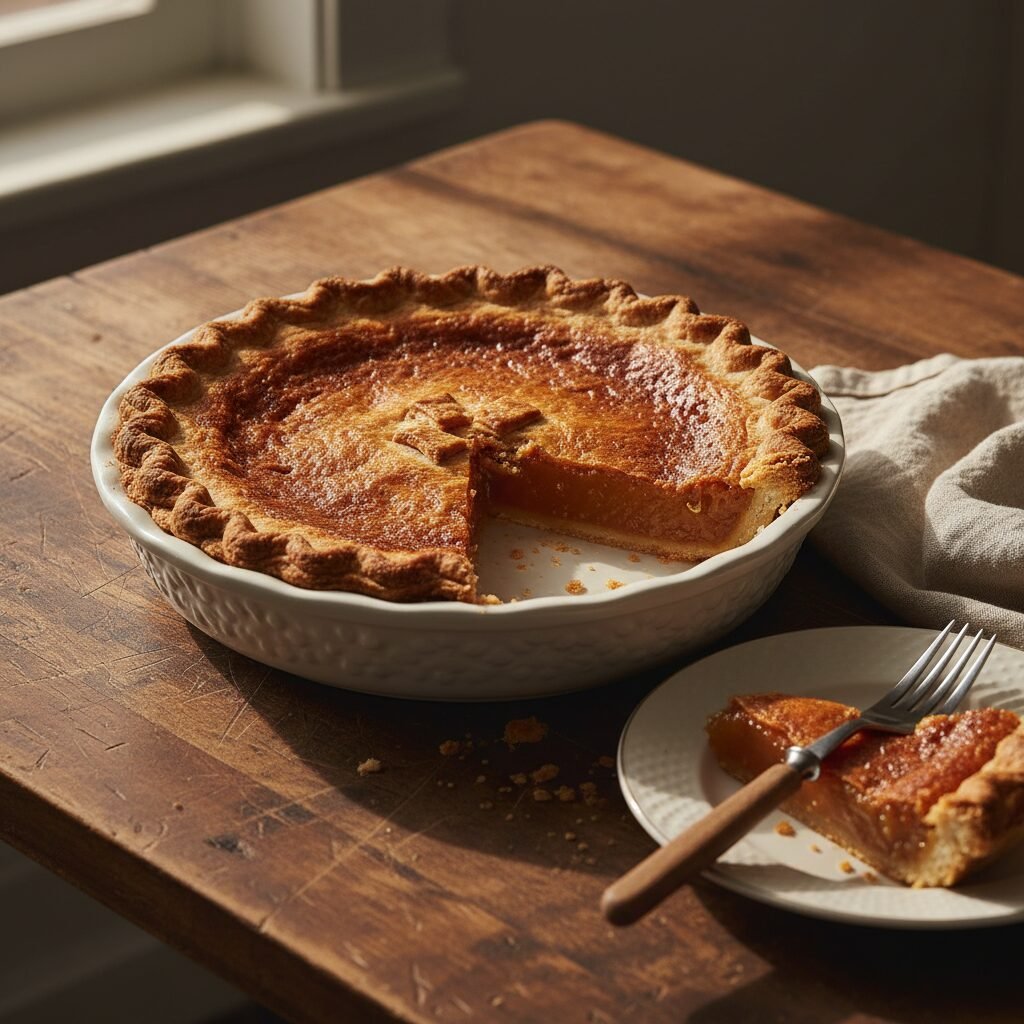
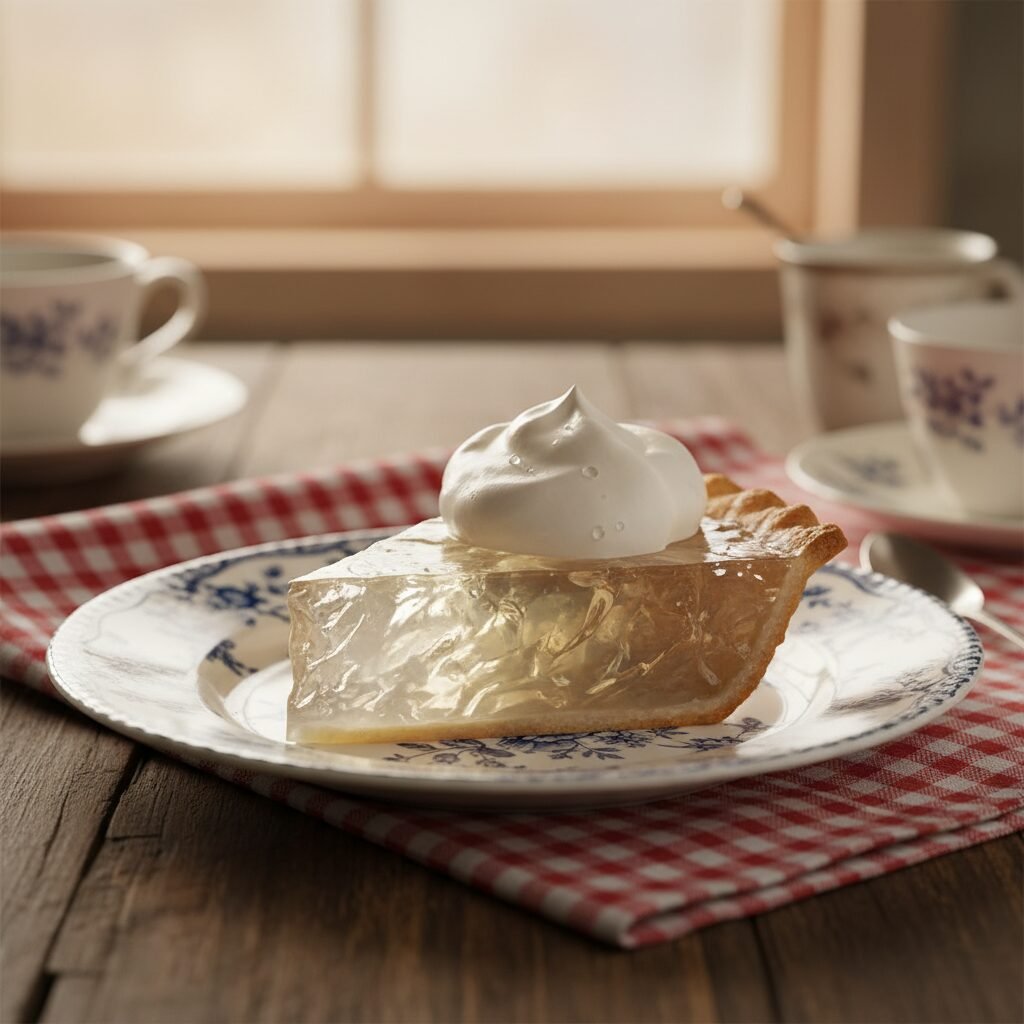
In the annals of culinary history, some of the most ingenious recipes were born not from abundance, but from scarcity. The Great Depression, a period of immense economic hardship, forced home cooks to become masters of invention, transforming humble pantry staples into meals that could nourish and comfort. From this era of resourcefulness comes a dessert so simple, so unassuming, that its name—often called ‘Water Pie’—belies its truly remarkable taste. It’s a culinary magic trick, a testament to the power of simple ingredients. Using just water, sugar, flour, and butter, this recipe creates a filling that is shockingly rich, with a smooth, custardy texture and a sweet, caramelized vanilla flavor that rivals any modern, complex dessert. This isn’t just a recipe; it’s a taste of history, a story of resilience baked into a flaky crust. Prepare to be amazed by how something so modest can taste like a million bucks.
15 minutes
50-60 minutes
1 hour 15 minutes (plus cooling time)
One 9-inch pie (8 servings)
Dessert
Baking
American
Vegetarian
Why You’ll Love This Recipe
- Crafted from basic, budget-friendly pantry staples.
- Achieves a surprisingly rich, smooth, and custardy texture without eggs or milk.
- A fascinating and delicious piece of American culinary history.
- Quick to prepare and perfect for novice bakers.
Equipment You’ll Need
- 9-inch pie dish
- Large mixing bowl (for crust)
- Medium saucepan
- Whisk
- Measuring cups and spoons
- Rolling pin
Ingredients
- For the Pie Crust:
- 1 1/2 cups all-purpose flour
- 1/2 teaspoon salt
- 1/2 cup (1 stick) cold unsalted butter, cut into cubes
- 4-6 tablespoons ice-cold water
- For the Filling:
- 1 1/2 cups granulated sugar
- 4 tablespoons all-purpose flour
- 2 cups cold water, divided
- 4 tablespoons unsalted butter, cut into pieces
- 2 teaspoons pure vanilla extract
- Pinch of salt
- Optional: 1/4 teaspoon ground nutmeg or cinnamon for dusting
Instructions
- Prepare the Pie Crust: In a large bowl, whisk together the 1 1/2 cups of flour and 1/2 teaspoon of salt. Cut in the cold butter using a pastry blender or your fingers until the mixture resembles coarse crumbs. Gradually add the ice water, 1 tablespoon at a time, mixing lightly with a fork until the dough just comes together. Form the dough into a disk, wrap in plastic, and chill for at least 30 minutes. (Alternatively, use a pre-made 9-inch pie crust).
- Preheat and Roll: Preheat your oven to 400°F (200°C). On a lightly floured surface, roll out the chilled dough into a circle about 12 inches in diameter. Carefully transfer the dough to a 9-inch pie dish. Trim and crimp the edges as desired.
- Prepare the Filling Slurry: In a small bowl, whisk together the 4 tablespoons of flour with 1/2 cup of the cold water until completely smooth. This slurry is crucial for thickening the filling without lumps. Set aside.
- Create the Sugar Syrup: In a medium saucepan, combine the granulated sugar, the remaining 1 1/2 cups of water, and the pinch of salt. Bring the mixture to a rolling boil over medium-high heat, stirring occasionally to dissolve the sugar.
- Thicken the Filling: Once boiling, slowly pour the flour slurry into the saucepan while whisking constantly and vigorously to prevent lumps from forming. Continue to cook, whisking, for about 2-3 minutes, until the mixture thickens to the consistency of a thin pudding.
- Finish the Filling: Remove the saucepan from the heat. Add the 4 tablespoons of butter pieces and the 2 teaspoons of vanilla extract. Stir until the butter is completely melted and the mixture is smooth and glossy.
- Assemble and Bake: Carefully pour the hot filling into the prepared pie crust. If desired, lightly dust the top with nutmeg or cinnamon.
- First Bake: Bake at 400°F (200°C) for 15 minutes. This helps to set the crust.
- Second Bake: Reduce the oven temperature to 375°F (190°C) and continue baking for another 35-45 minutes, or until the filling is bubbly and the crust is golden brown. The center should still have a slight jiggle.
- Cool Completely: This is the most important step. Remove the pie from the oven and place it on a wire rack to cool completely to room temperature. This can take 3-4 hours. Do not slice it while warm. For best results, chill the pie in the refrigerator for at least 2 hours (or overnight) to allow the filling to fully set into its signature custardy texture.
Expert Cooking Tips
- Patience is paramount. The pie absolutely must cool completely and then be chilled to set properly. Slicing it prematurely will result in a liquid filling.
- Use high-quality butter and pure vanilla extract. Since there are so few ingredients, their quality will significantly impact the final flavor.
- When adding the flour slurry to the boiling sugar water, pour slowly and whisk constantly. This is the key to a perfectly smooth, lump-free filling.
- For an extra-flaky crust, make sure your butter and water are ice-cold when making the dough.
Substitutions and Variations
For a quicker dessert, a store-bought pie crust works perfectly well. You can substitute half of the granulated sugar with light brown sugar for a deeper, more caramel-like flavor. While vanilla is classic, a splash of almond extract or a bit of lemon zest can add a lovely new dimension to the filling.
Common Mistakes to Avoid
The most common mistake is impatience—slicing the pie before it has fully cooled and chilled. The filling sets through a process of cooling and gelatinization, which requires several hours. Skipping this step will result in a soupy mess. Another frequent error is adding the flour directly to the hot liquid without making a slurry first, which will create a lumpy, unpleasant texture.
Serving Suggestions
This pie shines with simple accompaniments. Serve each slice chilled, with a generous dollop of unsweetened or lightly sweetened whipped cream to balance the pie’s sweetness. A scoop of classic vanilla bean ice cream also makes for a delightful pairing. For a final touch, a light dusting of powdered sugar or cinnamon can be added just before serving.
Storage and Reheating Tips
Store any leftover pie tightly covered with plastic wrap or in an airtight container in the refrigerator. It will keep well for up to 4 days. The pie is delicious served cold, directly from the fridge. Freezing is not recommended, as it can cause the filling to separate and become watery upon thawing.
Nutrition Facts (Estimated)
| Serving Size | 1 slice (1/8th of pie) |
| Calories | 360 kcal |
| Fat | 18 g |
| Saturated Fat | 11 g |
| Unsaturated Fat | 7 g |
| Trans Fat | 0 g |
| Cholesterol | 45 mg |
| Sodium | 210 mg |
| Carbohydrates | 48 g |
| Fiber | 1 g |
| Sugar | 29 g |
| Protein | 3 g |
Frequently Asked Questions
Why is it called Water Pie?
The name comes from its primary liquid ingredient. During the Great Depression, fresh milk and cream were often unavailable or unaffordable luxuries. Resourceful bakers discovered that they could use water, combined with flour as a thickener, to create a surprisingly rich and satisfying custard-like filling, proving that deliciousness doesn’t always require expensive ingredients.
My filling didn’t set properly. What went wrong?
Ninety-nine percent of the time, the issue is not allowing the pie to cool and chill for a sufficient amount of time. It needs at least 3-4 hours to cool to room temperature, plus another 2 hours in the fridge to become firm. If you’ve done that and it’s still runny, the filling may not have been boiled long enough with the flour slurry to activate its thickening properties.
Can I make this pie gluten-free?
Yes, you can adapt this recipe. Use your favorite gluten-free pie crust recipe or a store-bought one. For the filling, you can substitute the all-purpose flour with an equal amount of cornstarch to act as the thickener. The method remains the same.
Conclusion
The Depression-Era Water Pie is more than just a dessert; it’s a profound lesson in culinary alchemy. It reminds us that with a little creativity and understanding of technique, the simplest ingredients can be transformed into something truly special. Each bite, with its silky filling and flaky crust, is a connection to a past defined by ingenuity and the ability to find joy in the little things. We encourage you to bake this piece of history, share it with your loved ones, and marvel at how water, sugar, and flour can, indeed, taste like a million bucks.