Sticky Sweet Soy Tempeh: The High-Protein Meat Substitute That Actually Tastes Good
Sticky Sweet Soy Tempeh: The High-Protein Meat Substitute That Actually Tastes Good
Looking for a delicious, plant-based meal that even the pickiest eaters will adore? This Sticky Sweet Soy Tempeh recipe is a game-changer! It’s packed with protein, incredibly flavorful, and has that perfect balance of sweet and savory that makes it utterly irresistible. Get ready to fall in love with tempeh!
15 minutes
20 minutes
35 minutes
4 servings
Main Course
Pan-Frying, Simmering
Asian-Inspired, Fusion
Vegan, Vegetarian, Dairy-Free
Oh, sweet friends, let me tell you, finding healthy and delicious dinner options that make everyone at the table happy can sometimes feel like a superpower! Especially when you’re trying to incorporate more plant-based meals into your family’s routine. I’ve been on that journey for years, always searching for those magical recipes that don’t just ‘pass’ but truly shine. And today, I’m absolutely thrilled to share one of my absolute favorites: Sticky Sweet Soy Tempeh.
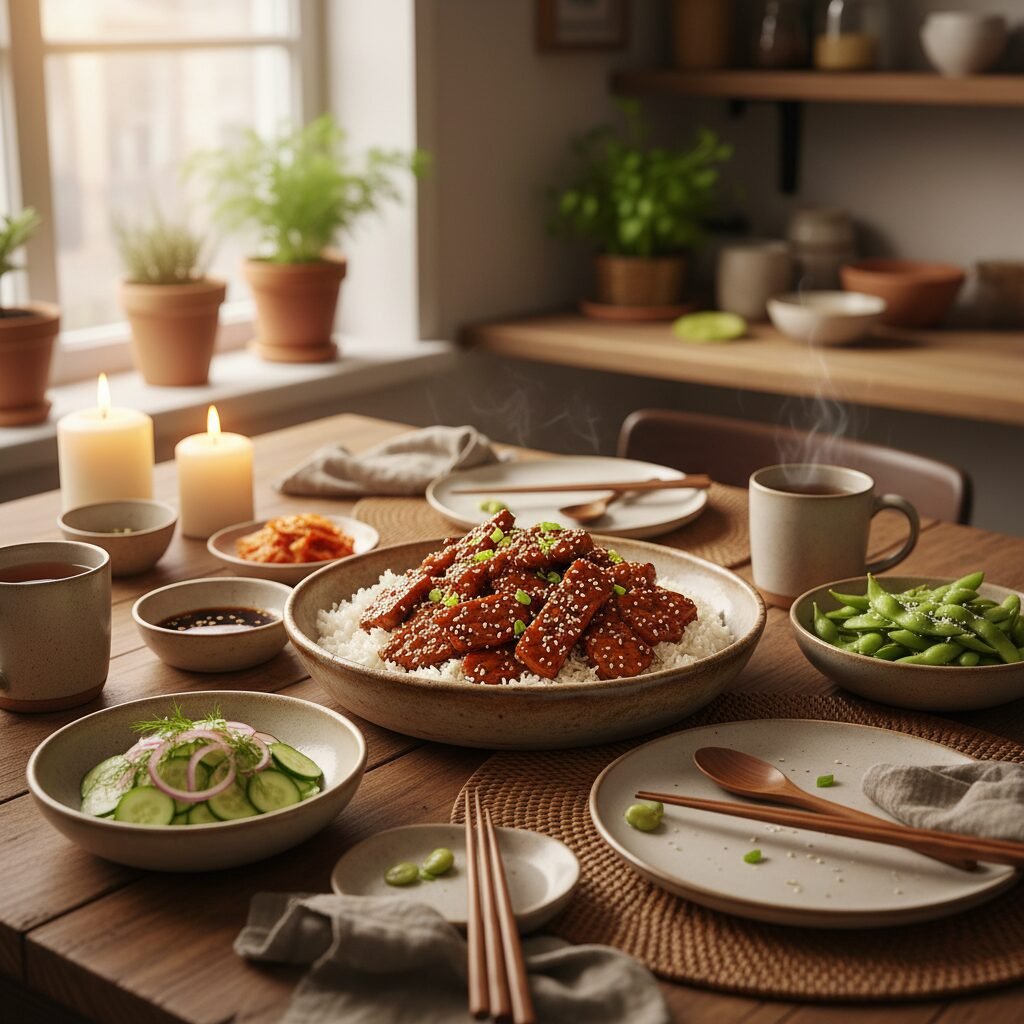
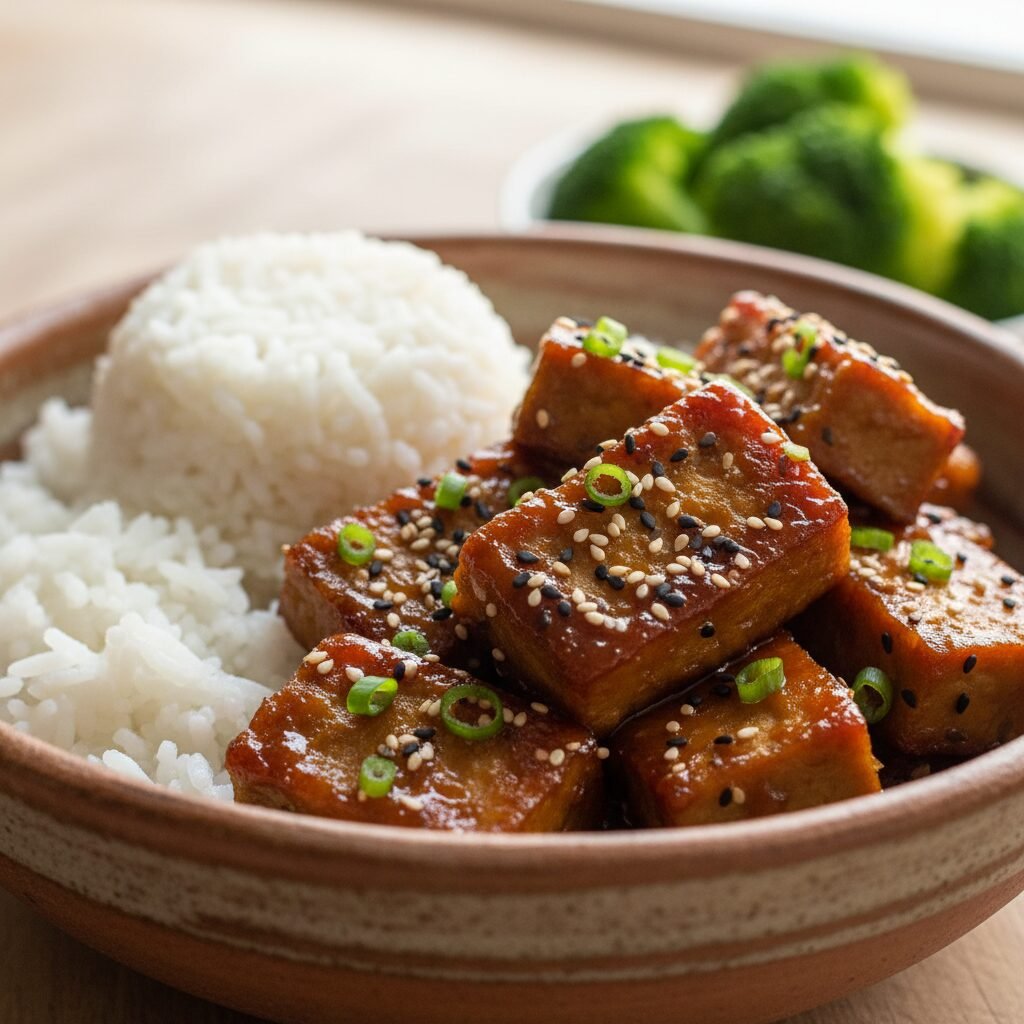
If you’ve ever been a little intimidated by tempeh, or perhaps tried it once and weren’t quite convinced, prepare to have your mind (and taste buds!) completely blown. This recipe transforms humble tempeh into a culinary masterpiece. We’re talking about perfectly pan-fried, golden-brown pieces of tempeh coated in a luscious, glossy, sticky-sweet soy glaze that’s bursting with umami. It’s savory, it’s a little bit sweet, it’s got a fantastic texture, and it’s so incredibly satisfying. Seriously, even my husband, who is a self-proclaimed ‘meat and potatoes’ guy, asks for this regularly!
This isn’t just a meal; it’s an experience. It’s the kind of dish that makes you feel good about what you’re feeding your family, knowing it’s packed with protein and wholesome goodness. Plus, it’s surprisingly easy to whip up, making it perfect for busy weeknights when you still want to serve something spectacular. So, grab your apron, put on your favorite playlist, and let’s make some magic in the kitchen together!
History & Origins
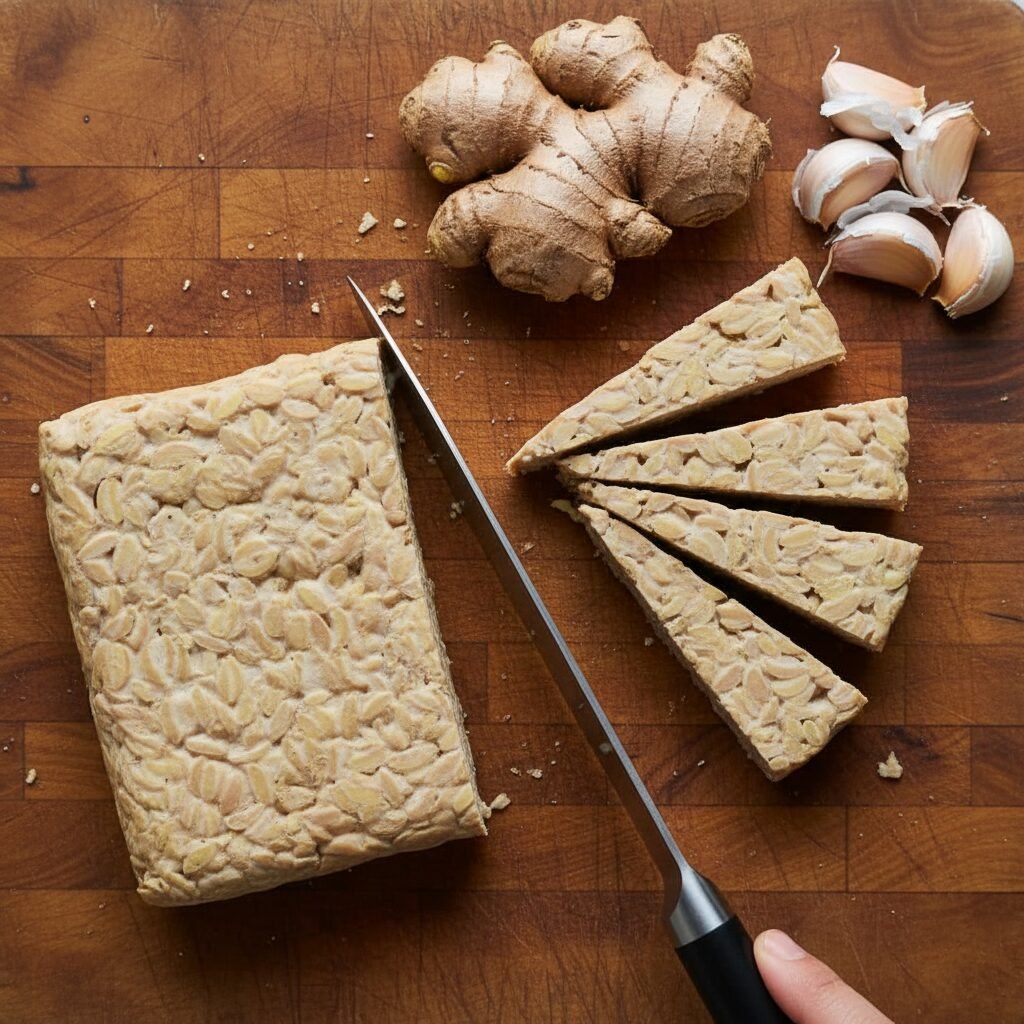
Tempeh, the star of our show today, has a rich and fascinating history that dates back centuries. Originating from Indonesia, specifically the island of Java, tempeh is a traditional fermented soybean product. It’s believed to have been discovered accidentally, much like many other fermented foods, perhaps when soybeans were stored in warm, humid conditions, allowing the beneficial mold Rhizopus oligosporus to grow and bind them together.
For generations, tempeh has been a staple protein source in Indonesian cuisine, prized not only for its nutritional value but also for its unique nutty flavor and firm, chewy texture. Unlike tofu, which is made from coagulated soy milk, tempeh is made from whole, cooked soybeans that are fermented into a compact cake. This fermentation process not only makes the nutrients more bioavailable but also gives tempeh its distinctive earthy taste and a texture that holds up beautifully to various cooking methods.
In recent decades, tempeh has gained popularity worldwide as a versatile and healthy plant-based protein. As more people seek sustainable and nutritious alternatives to meat, tempeh has found its way into kitchens across the globe. This particular ‘sticky sweet soy’ preparation is a modern fusion, drawing inspiration from classic Asian glazes often used for chicken or tofu, adapted perfectly to complement tempeh’s hearty nature. It’s a testament to how traditional ingredients can be reimagined to create exciting new flavors for today’s diverse palates!
Why This Recipe Works
This Sticky Sweet Soy Tempeh recipe isn’t just delicious by chance; it’s a culinary symphony where every element plays a crucial role in creating that irresistible flavor and texture. Let’s dive into the ‘why’ behind its magic!
First, the tempeh itself is a fantastic foundation. Its firm, slightly chewy texture means it holds its shape beautifully during cooking, unlike some other plant-based proteins that can crumble. The fermentation process also gives it a subtle, earthy, and slightly mushroomy flavor that acts as a wonderful canvas for our bold glaze. When pan-fried, the tempeh develops a lovely golden-brown crust, adding another layer of texture.
Next, the steaming step is absolutely critical, especially if you’re new to tempeh. Steaming for about 10 minutes helps to soften the tempeh, making it more tender and less bitter. It also opens up its porous structure, allowing it to absorb the delicious glaze much more effectively. Think of it as priming the tempeh to soak up all that yummy goodness!
Then comes the glaze – oh, the glorious glaze! It’s a perfect balance of sweet, savory, and tangy. Soy sauce provides the deep umami and saltiness, while maple syrup (or brown sugar) brings the sweetness and helps with caramelization. Rice vinegar adds a touch of acidity to brighten the flavors, and ginger and garlic infuse it with aromatic warmth. The cornstarch slurry is the secret weapon here; it thickens the sauce as it cooks, creating that signature sticky, glossy coating that clings beautifully to every piece of tempeh. As the sauce simmers and reduces, the sugars caramelize, creating a rich, complex flavor and a wonderfully appealing sheen.
Finally, the method of frying the tempeh first and then tossing it in the reduced sauce ensures maximum flavor and texture. Frying gives the tempeh a desirable crispness, and then coating it in the thick, hot sauce allows it to absorb the flavors while maintaining that delightful sticky exterior. It’s a harmonious blend of textures and tastes that makes this dish truly unforgettable!
Why You’ll Love This Recipe
- ✓High in plant-based protein, perfect for a satisfying meal.
- ✓Achieves a wonderfully sticky, sweet, and savory glaze.
- ✓Quick and easy to prepare, ideal for busy weeknights.
- ✓Versatile – pairs well with rice, noodles, or roasted veggies.
- ✓A fantastic way to introduce tempeh to skeptics and make them believers!
- ✓Customizable spice level to suit your family’s preferences.
Equipment You’ll Need
- ✓Large skillet or frying pan
- ✓Steamer basket (optional, but recommended)
- ✓Medium saucepan (if not steaming)
- ✓Whisk
- ✓Measuring cups and spoons
- ✓Cutting board
- ✓Sharp knife
- ✓Spatula or tongs
Ingredients
- ✓1 (8-ounce) block tempeh, preferably organic
- ✓1 tablespoon neutral oil (like avocado or canola oil)
- ✓2 cloves garlic, minced
- ✓1 tablespoon fresh ginger, grated
- ✓1/4 cup low-sodium soy sauce (or tamari for gluten-free)
- ✓1/4 cup maple syrup (or brown sugar)
- ✓2 tablespoons rice vinegar
- ✓1 tablespoon cornstarch
- ✓2 tablespoons water (for cornstarch slurry)
- ✓Optional garnishes: sesame seeds, chopped green onions, red pepper flakes
Instructions
-
1. Prepare the Tempeh:
If you’re steaming your tempeh (highly recommended for best texture!), cut the block into 1/2-inch thick triangles or cubes. Place them in a steamer basket over boiling water, cover, and steam for 10 minutes. This removes any bitterness and softens the tempeh, making it more absorbent. If not steaming, skip to the next step.
-
2. Pan-Fry the Tempeh:
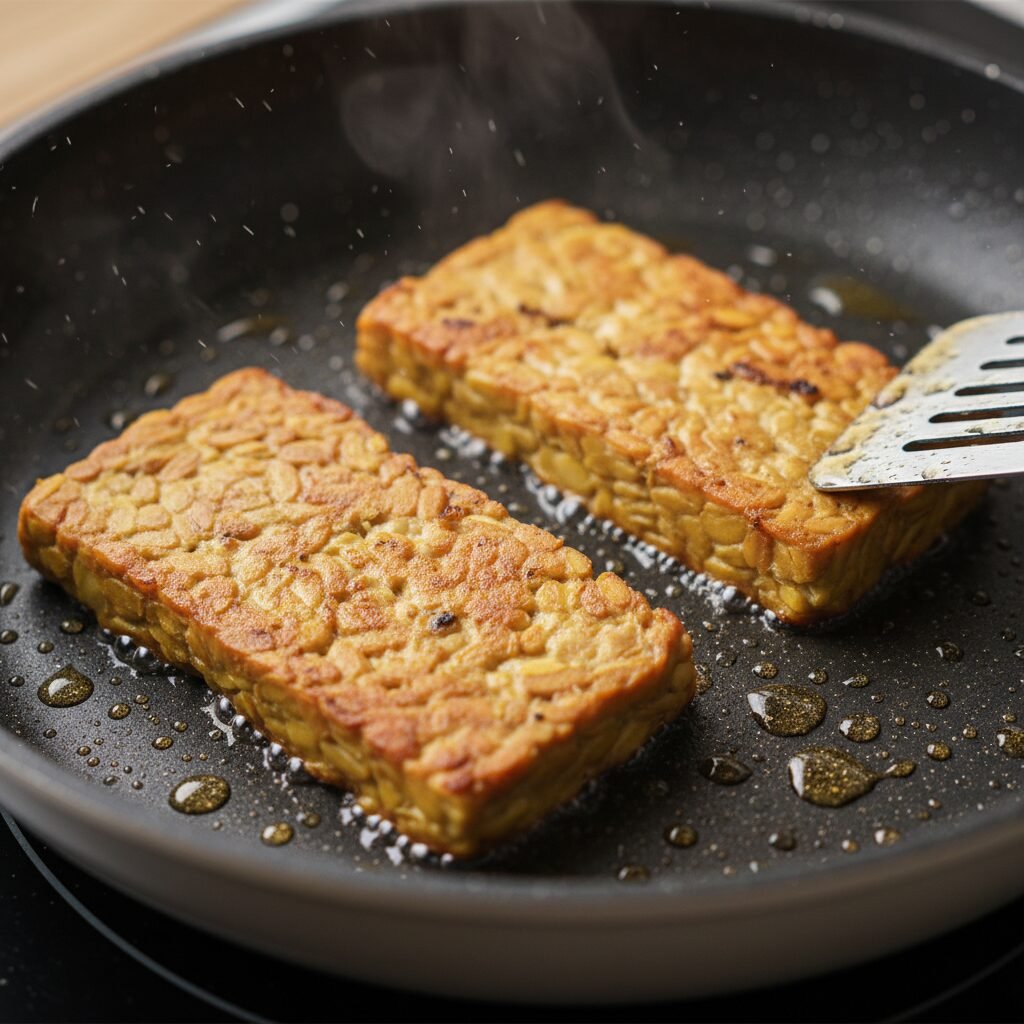
Heat the neutral oil in a large skillet over medium-high heat. Once hot, add the steamed (or unsteamed) tempeh pieces in a single layer. Cook for 3-5 minutes per side, until golden brown and slightly crispy. You might need to do this in batches to avoid overcrowding the pan. Remove the tempeh from the skillet and set aside.
-
3. Make the Sticky Sauce:
In the same skillet (no need to clean it!), reduce the heat to medium. Add the minced garlic and grated ginger, and sauté for about 30 seconds until fragrant, being careful not to burn them.
-
4. Combine Sauce Ingredients:
Whisk together the soy sauce, maple syrup, and rice vinegar in a small bowl. Pour this mixture into the skillet with the garlic and ginger. Bring to a gentle simmer.
-
5. Thicken the Sauce:
In a separate small bowl, whisk together the cornstarch and 2 tablespoons of cold water until smooth to create a slurry. Slowly pour the cornstarch slurry into the simmering sauce in the skillet, whisking constantly. Continue to whisk and simmer for 1-2 minutes, until the sauce thickens and becomes glossy and sticky.
-
6. Coat the Tempeh:
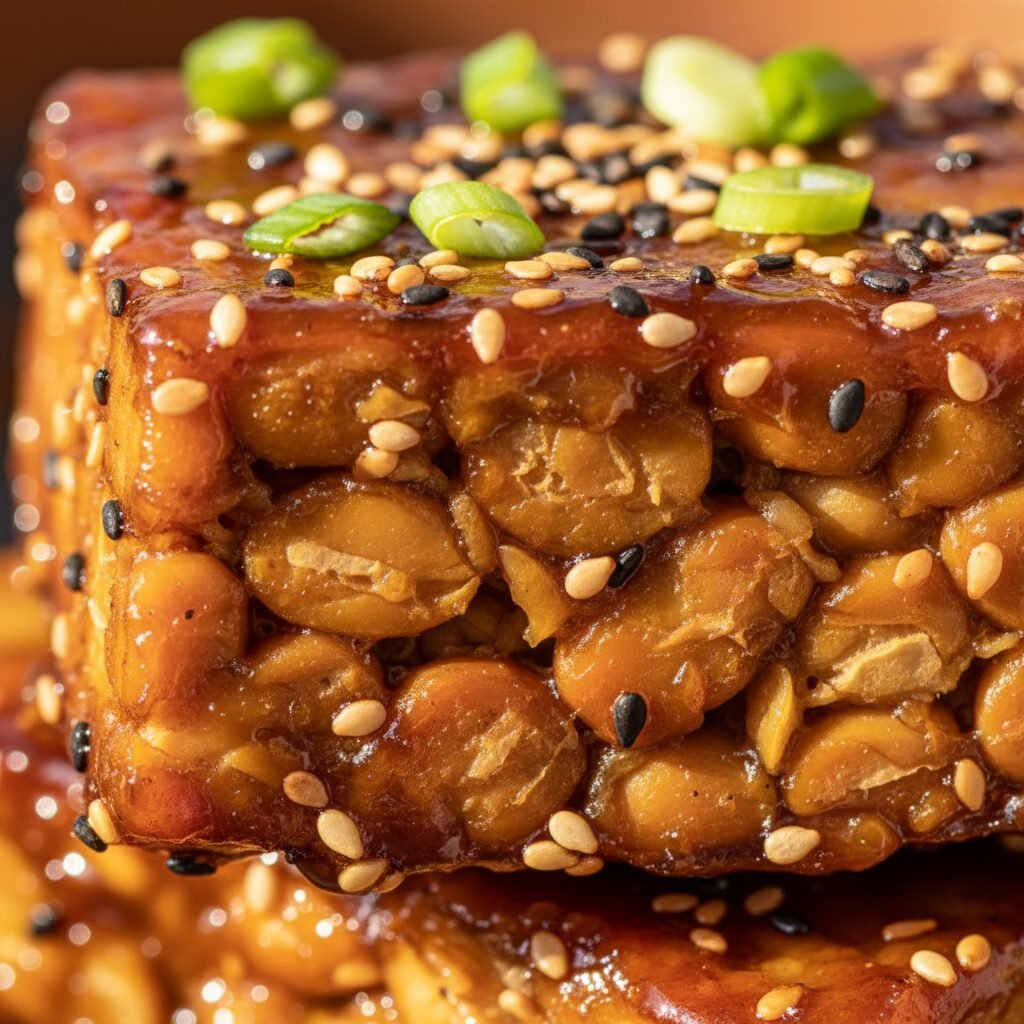
Return the cooked tempeh pieces to the skillet with the thickened sauce. Toss gently with a spatula or tongs, ensuring every piece of tempeh is thoroughly coated in the glorious sticky glaze. Cook for another 1-2 minutes, allowing the sauce to really cling and caramelize onto the tempeh.
-
7. Serve and Garnish:
Remove from heat immediately. Serve your Sticky Sweet Soy Tempeh hot over your favorite rice, noodles, or alongside steamed vegetables. Garnish with a sprinkle of sesame seeds, fresh chopped green onions, and a pinch of red pepper flakes if you like a little heat. Enjoy your delicious, high-protein meal!
Expert Cooking Tips
- ✓Don’t skip the steaming! While optional, steaming tempeh before frying makes a huge difference in texture and flavor absorption. It removes any potential bitterness and makes the tempeh more tender.
- ✓Cut tempeh evenly: Ensure your tempeh pieces are roughly the same size for even cooking and browning.
- ✓Don’t overcrowd the pan: Fry tempeh in batches if necessary to ensure each piece gets a good sear and doesn’t steam in the pan, which would prevent browning.
- ✓Adjust sweetness/saltiness: Taste the sauce before adding the cornstarch slurry. You can add a little more maple syrup for sweetness or a splash more soy sauce for saltiness, if desired.
- ✓Watch the sauce: Once the cornstarch slurry is added, the sauce will thicken quickly. Keep stirring to prevent clumping and ensure even thickening. Don’t overcook it, or it might become too thick.
- ✓Garnish for flavor and presentation: Fresh green onions and toasted sesame seeds not only look pretty but add a wonderful fresh crunch and nutty aroma.
Substitutions and Variations
Life happens, and sometimes we don’t have every ingredient on hand! Here are some easy substitutions to keep your Sticky Sweet Soy Tempeh dreams alive:
- Tempeh: While tempeh is the star, you could adapt this glaze for extra-firm tofu (pressed well), seitan, or even thick slices of mushrooms like portobello.
- Soy Sauce: For a gluten-free option, use tamari. If you’re watching your sodium, opt for a low-sodium variety. Coconut aminos can also work for a soy-free alternative, though the flavor will be slightly different.
- Maple Syrup: Brown sugar, agave nectar, or even honey (if not strictly vegan) can be used as a sweetener. Adjust to your taste!
- Rice Vinegar: Apple cider vinegar can be used in a pinch, but rice vinegar has a milder, slightly sweeter profile that’s ideal here.
- Cornstarch: Arrowroot powder can be used as a 1:1 substitute for thickening the sauce.
- Ginger/Garlic: If you don’t have fresh, you can use 1/2 teaspoon of garlic powder and 1/2 teaspoon of ground ginger, but fresh is always best for flavor!
Common Mistakes to Avoid
Even the best cooks make mistakes sometimes! Here are a few common pitfalls to avoid when making Sticky Sweet Soy Tempeh:
- Not steaming the tempeh: This is a big one! Skipping the steaming step can result in tempeh that tastes slightly bitter or has a drier, tougher texture. A quick steam makes all the difference.
- Overcrowding the pan: When frying the tempeh, if you put too many pieces in the skillet at once, the temperature drops, and the tempeh will steam instead of fry. This leads to soggy, rather than crispy, tempeh. Fry in batches if needed!
- Burning the garlic and ginger: These aromatics cook quickly. Add them to a moderately hot pan and sauté just until fragrant, about 30 seconds, before adding the liquid ingredients. Burnt garlic and ginger can make your sauce taste bitter.
- Not whisking the cornstarch slurry properly: If the cornstarch isn’t fully dissolved in cold water before adding it to the hot sauce, you’ll end up with lumps. Whisk it until completely smooth!
- Over-thickening the sauce: Once the cornstarch slurry is added, the sauce thickens quickly. Keep an eye on it and remove it from the heat once it reaches your desired sticky consistency. If it gets too thick, you can thin it with a tiny splash of water or vegetable broth.
- Not coating thoroughly: Make sure every piece of tempeh gets lovingly coated in that sticky glaze. It’s where all the flavor magic happens!
Serving Suggestions
This Sticky Sweet Soy Tempeh is incredibly versatile and can be the star of so many delicious meals! Here are some of my favorite ways to serve it:
- Classic Rice Bowl: Serve it over a bed of fluffy white or brown rice, topped with a generous sprinkle of sesame seeds and chopped green onions.
- Noodle Nirvana: Toss it with your favorite stir-fried noodles (like lo mein or ramen) and some sautéed veggies for a complete meal.
- Lettuce Wraps: For a lighter, fresher option, chop the tempeh into smaller pieces and serve it in crisp lettuce cups with shredded carrots, cucumber, and a drizzle of sriracha mayo.
- Buddha Bowl Bliss: Create a vibrant Buddha bowl with quinoa or farro, roasted broccoli or bell peppers, avocado slices, and a dollop of peanut sauce.
- Side Dish Star: It’s also fantastic as a protein-packed side dish alongside other Asian-inspired mains or even just a simple green salad.
Don’t forget to add a squeeze of lime juice for an extra burst of freshness!
Storage and Reheating Tips
Got leftovers? Lucky you! This Sticky Sweet Soy Tempeh stores beautifully, making it perfect for meal prep.
- Refrigeration: Store any leftover tempeh in an airtight container in the refrigerator for up to 3-4 days. The glaze might thicken a bit more, but the flavors will still be fantastic.
- Reheating: To reheat, you can gently warm it in a skillet over medium-low heat until heated through, adding a tiny splash of water if the sauce seems too thick. You can also microwave it, but the skillet method will help maintain a better texture.
- Freezing: While technically possible, freezing tempeh with the glaze might alter the texture slightly upon thawing. If you do freeze it, ensure it’s in an airtight, freezer-safe container for up to 1 month. Thaw in the refrigerator overnight before reheating.
Nutrition Facts (Estimated)
| Serving Size | 1/4 of recipe |
| Calories | 320 kcal |
| Fat | 18g |
| Saturated Fat | 3g |
| Unsaturated Fat | 14g |
| Trans Fat | 0g |
| Cholesterol | 0mg |
| Sodium | 780mg |
| Carbohydrates | 22g |
| Fiber | 8g |
| Sugar | 15g |
| Protein | 20g |
Frequently Asked Questions
What is tempeh and how is it different from tofu?
Tempeh is a traditional Indonesian food made from fermented soybeans. Unlike tofu, which is made from coagulated soy milk and has a soft, custardy texture, tempeh is made from whole, cooked soybeans that are bound together by a beneficial mold into a firm, dense cake. This gives it a chewier texture and a nuttier, earthier flavor, and it’s often considered more nutritionally dense due to the whole soybeans and fermentation process.
Is tempeh gluten-free?
Pure tempeh made only from soybeans is naturally gluten-free. However, some brands might add grains like barley or rice, so always check the ingredient label if you have a gluten sensitivity or allergy. For this recipe, ensure you use tamari instead of soy sauce if you need it to be gluten-free.
Can I make this spicier?
Absolutely! To add a kick, you can include a pinch of red pepper flakes in the sauce along with the ginger and garlic, or add a dash of sriracha or your favorite chili garlic sauce to the glaze mixture. You can also garnish with extra red pepper flakes when serving.
Do I have to steam the tempeh?
While not strictly mandatory, steaming the tempeh for 10 minutes before frying is highly recommended. It helps remove any potential bitterness that some people detect in tempeh and also softens its texture, making it more tender and better able to absorb the delicious glaze. It truly makes a noticeable difference!
Can I bake or air fry the tempeh instead of pan-frying?
Yes, you can! After steaming, toss the tempeh with a tablespoon of oil. To bake, spread on a baking sheet and bake at 400°F (200°C) for 20-25 minutes, flipping halfway, until golden. To air fry, cook at 375°F (190°C) for 10-15 minutes, shaking the basket halfway, until crispy. Then, toss the cooked tempeh in the prepared sticky sauce as per the instructions.
What if my sauce gets too thick or too thin?
If your sauce gets too thick, you can thin it out by whisking in a tablespoon or two of water or vegetable broth until it reaches your desired consistency. If it’s too thin, you can make a small additional cornstarch slurry (1/2 teaspoon cornstarch mixed with 1 tablespoon cold water) and whisk it into the simmering sauce, cooking for another minute until it thickens.
Can I prepare the sauce ahead of time?
You can prepare the liquid components of the sauce (soy sauce, maple syrup, rice vinegar, ginger, garlic) ahead of time and store them in the fridge. When ready to cook, heat the mixture, then add the cornstarch slurry to thicken it just before tossing with the tempeh. This saves a little time on busy nights!
Is this recipe kid-friendly?
Absolutely! The sweet and savory flavor profile is generally very appealing to children. You can adjust the amount of ginger and garlic to be milder if your kids are sensitive to strong flavors. Serving it with rice and a side of their favorite steamed veggies often makes it a hit!
Conclusion
And there you have it, my dear friends! A truly spectacular recipe for Sticky Sweet Soy Tempeh that I hope will become a beloved staple in your kitchen, just as it has in mine. It’s more than just a meal; it’s a testament to how delicious and satisfying plant-based eating can be, proving that healthy food can be incredibly flavorful and exciting.
Whether you’re a seasoned tempeh lover or trying it for the very first time, this recipe is designed to impress. The balance of textures, the depth of flavor from that glorious sticky glaze, and the wholesome goodness of tempeh make it a winner every single time. It’s the perfect dish to gather your loved ones around the table, share stories, and enjoy a meal that nourishes both body and soul.
So go ahead, give this recipe a try! I promise you won’t be disappointed. And when you do, be sure to snap a picture and share it with me – I absolutely adore seeing your culinary creations! Happy cooking, and remember to savor every single bite!