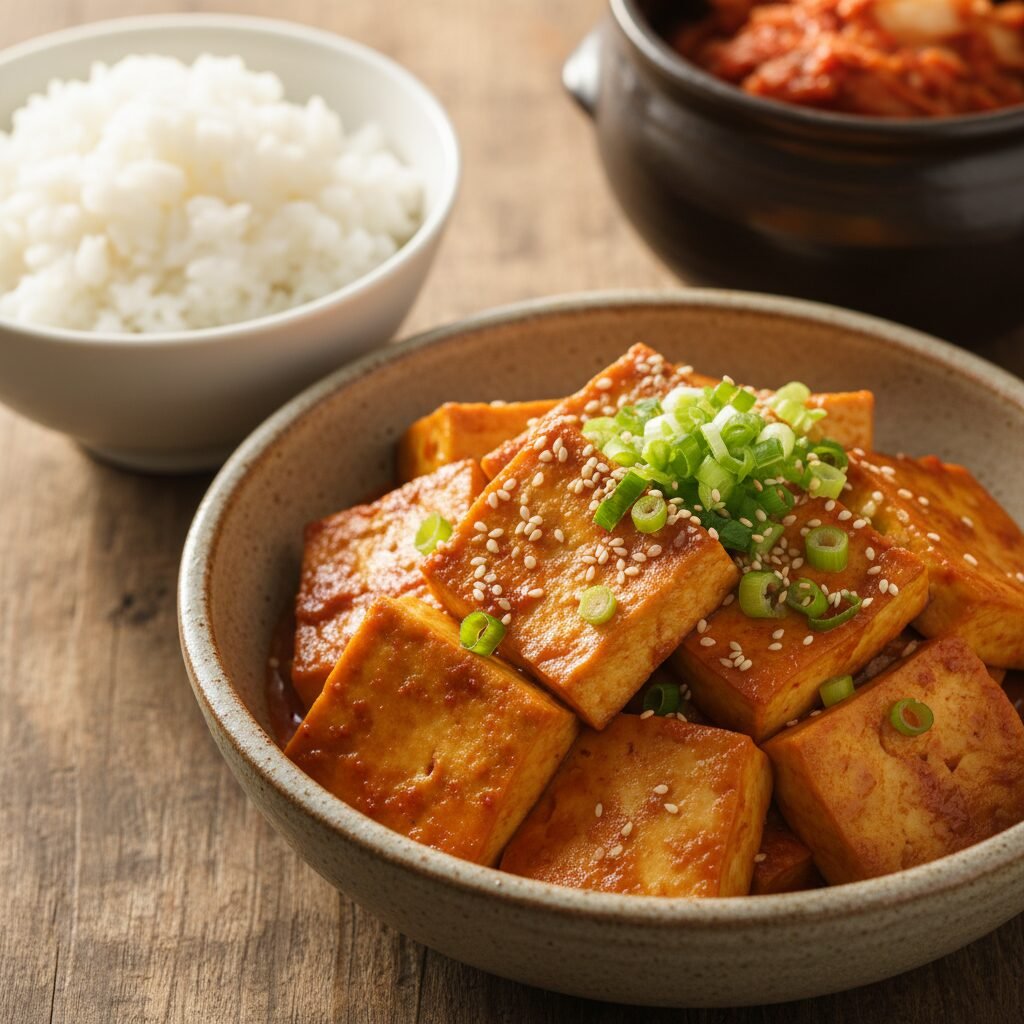
Spicy Dubu Jorim: The Korean Braised Tofu That Changes Everything
Spicy Dubu Jorim: The Korean Braised Tofu That Changes Everything
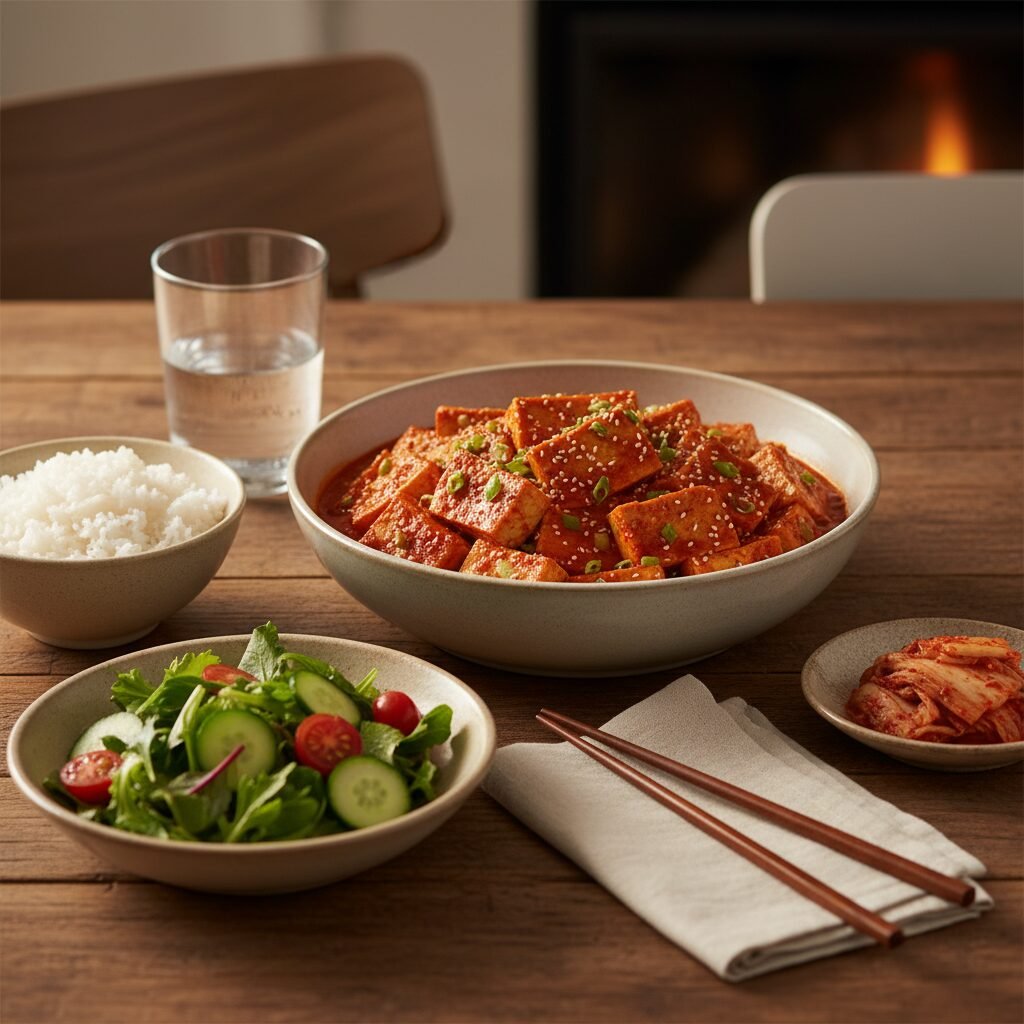
Get ready to transform your weeknight dinners with this incredible Spicy Dubu Jorim! This Korean braised tofu dish is bursting with savory, spicy, and slightly sweet flavors, making it an absolute family favorite. It’s surprisingly easy to make and perfect for meal prepping!
15 minutes
25 minutes
40 minutes
4 servings
Main Course, Side Dish
Braising, Pan-frying
Korean
Vegetarian, Vegan (ensure no honey in gochujang)
Oh, my sweet friends! If you’re anything like me, always on the hunt for those magical recipes that make dinner time feel less like a chore and more like a cozy, comforting hug, then you are in for an absolute treat today! I’m so thrilled to share with you one of my all-time favorite Korean dishes: Spicy Dubu Jorim. Now, I know what some of you might be thinking – tofu? But trust me, this isn’t just any tofu. This is the kind of tofu that will make even the most skeptical eaters at your table ask for seconds, and maybe even thirds!
Spicy Dubu Jorim, or Korean Braised Tofu, is a revelation. It takes humble blocks of firm tofu and transforms them into tender, flavor-packed morsels swimming in a vibrant, addictive sauce. It’s spicy, yes, but it’s also wonderfully savory with just a hint of sweetness, creating a perfect balance that dances on your tongue. It’s the kind of dish that feels incredibly special, yet comes together with such ease that it’s perfect for a busy Tuesday night. Plus, it’s packed with plant-based goodness, making it a fantastic option for Meatless Mondays or any day you want to incorporate more wholesome ingredients into your family’s diet.
I first discovered Dubu Jorim years ago when I was exploring more Korean cuisine, and it quickly became a staple in my kitchen. There’s something so incredibly satisfying about the way the tofu soaks up all that delicious sauce, becoming a sponge for flavor. It’s hearty, comforting, and incredibly versatile. Whether you serve it with a simple bowl of rice or as part of a larger Korean feast, it always shines. So, grab your apron, put on your favorite playlist, and let’s dive into making this truly life-changing dish together!
History & Origins
Dubu Jorim is a beloved staple in Korean home cooking, a testament to the versatility and importance of tofu (dubu) in Korean culinary traditions. Tofu itself has a long and rich history in Asia, dating back thousands of years, and was introduced to Korea from China during the Goryeo Dynasty (918-1392). Over centuries, it became an integral part of the Korean diet, appreciated for its nutritional value and ability to absorb flavors.
The term ‘Jorim’ refers to a Korean cooking technique where ingredients are simmered in a seasoned broth until the liquid reduces and the flavors are deeply absorbed. This method is commonly used for various ingredients, from fish to vegetables, and, of course, tofu. Dubu Jorim specifically highlights tofu, transforming its mild flavor into something bold and exciting. It’s a dish that embodies the Korean philosophy of balancing flavors – spicy, savory, sweet, and umami – all in one comforting bite. Historically, it was a practical and economical way to prepare a nutritious meal, often served as a banchan (side dish) but hearty enough to be a main course, especially for those seeking plant-based options. It’s a dish passed down through generations, each family often having its own subtle variations, making it a true taste of Korean heritage.
Why This Recipe Works
Spicy Dubu Jorim works its magic through a combination of smart culinary techniques and a perfectly balanced flavor profile. First, the tofu is often pan-fried or baked until golden and slightly crispy before braising. This crucial step achieves a few things: it creates a lovely textural contrast, preventing the tofu from becoming mushy, and it also forms a slightly porous surface that allows the tofu to better absorb the rich braising sauce. Think of it like creating tiny flavor sponges!
The sauce itself is a masterpiece of Korean flavors. Gochugaru (Korean chili flakes) provides a vibrant, complex heat that’s more nuanced than just ‘spicy,’ offering smoky and fruity undertones. Gochujang (Korean chili paste) adds a deeper, fermented umami and a touch of sweetness. Soy sauce brings the essential savory base, while garlic and ginger infuse aromatic depth. A touch of sugar or corn syrup balances the heat and saltiness, creating that addictive sweet-and-spicy dynamic. The simmering process allows all these ingredients to meld together, reducing the sauce to a thick, glossy glaze that clings beautifully to the tofu, ensuring every bite is packed with intense flavor. The slow braising also tenderizes the tofu further, making it incredibly succulent. It’s a symphony of textures and tastes that truly elevates humble tofu into a star dish!
Why You’ll Love This Recipe
- ✓Flavor-packed Korean braised tofu that’s spicy, savory, and sweet.
- ✓Perfect for a quick weeknight meal or impressive enough for guests.
- ✓Naturally plant-based and packed with protein.
- ✓Tofu is pan-fried for a delightful crispy exterior and tender interior.
- ✓Versatile dish that pairs wonderfully with rice and other Korean sides.
- ✓Easy to customize the spice level to suit your family’s taste.
Equipment You’ll Need
- ✓Large non-stick skillet or cast iron pan
- ✓Mixing bowls
- ✓Whisk
- ✓Spatula
- ✓Cutting board
- ✓Sharp knife
Ingredients
- ✓1 block (14-16 oz) firm or extra-firm tofu, pressed and drained
- ✓2 tablespoons neutral oil (like canola or vegetable)
- ✓2 cloves garlic, minced
- ✓1 teaspoon fresh ginger, grated
- ✓1/2 medium onion, thinly sliced
- ✓2 green onions, chopped (white and green parts separated)
- ✓1/4 cup soy sauce
- ✓2 tablespoons gochugaru (Korean chili flakes) – adjust to taste for spice
- ✓1 tablespoon gochujang (Korean chili paste) – optional, for deeper flavor and heat
- ✓1 tablespoon sugar or corn syrup
- ✓1 teaspoon sesame oil
- ✓1/2 teaspoon black pepper
- ✓1/2 cup water or vegetable broth
- ✓1 tablespoon toasted sesame seeds, for garnish
Instructions
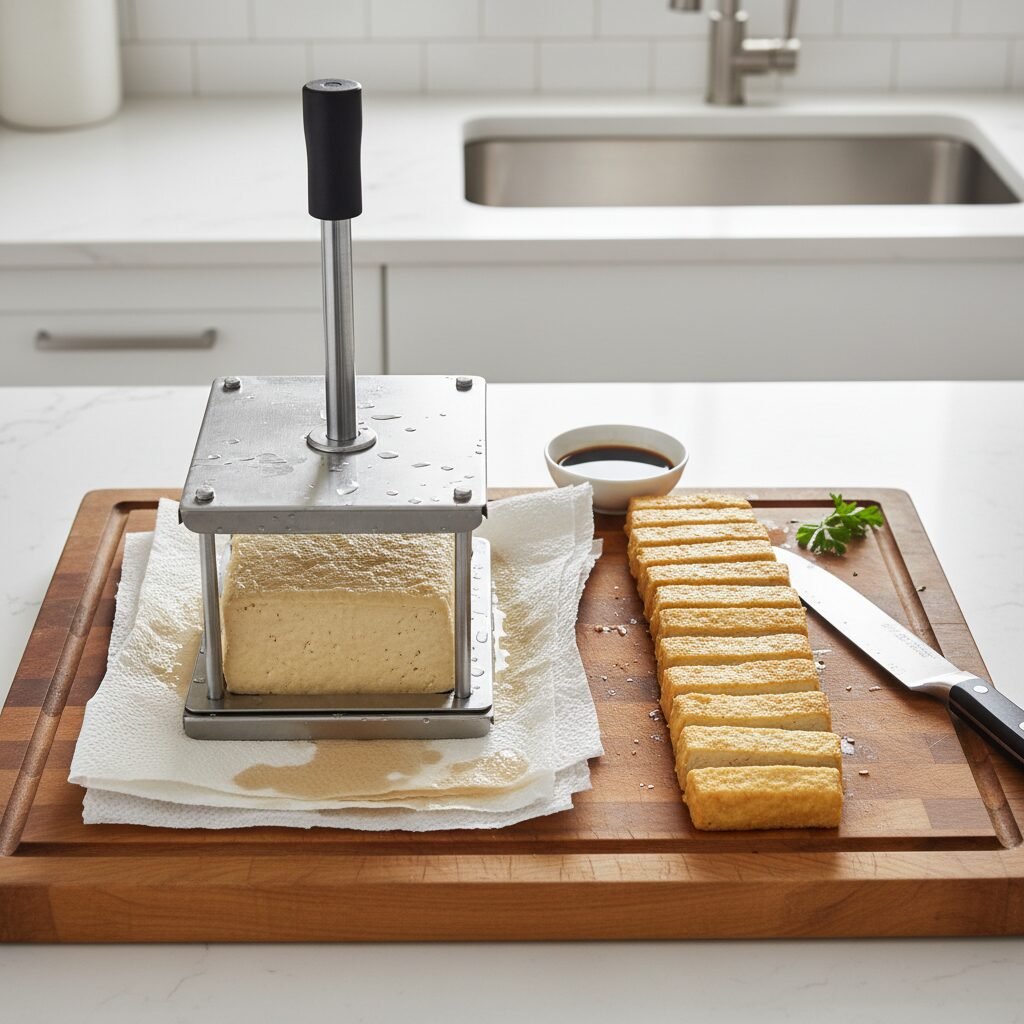
- Prepare the Tofu: First things first, we need to press that tofu! Wrap your block of firm or extra-firm tofu in a few layers of paper towels or a clean kitchen towel. Place it on a plate and put something heavy on top (like a cast iron skillet or a few cans) for at least 20-30 minutes to press out excess water. This step is KEY for crispy, flavorful tofu! Once pressed, slice the tofu into 1/2-inch thick rectangles or squares.
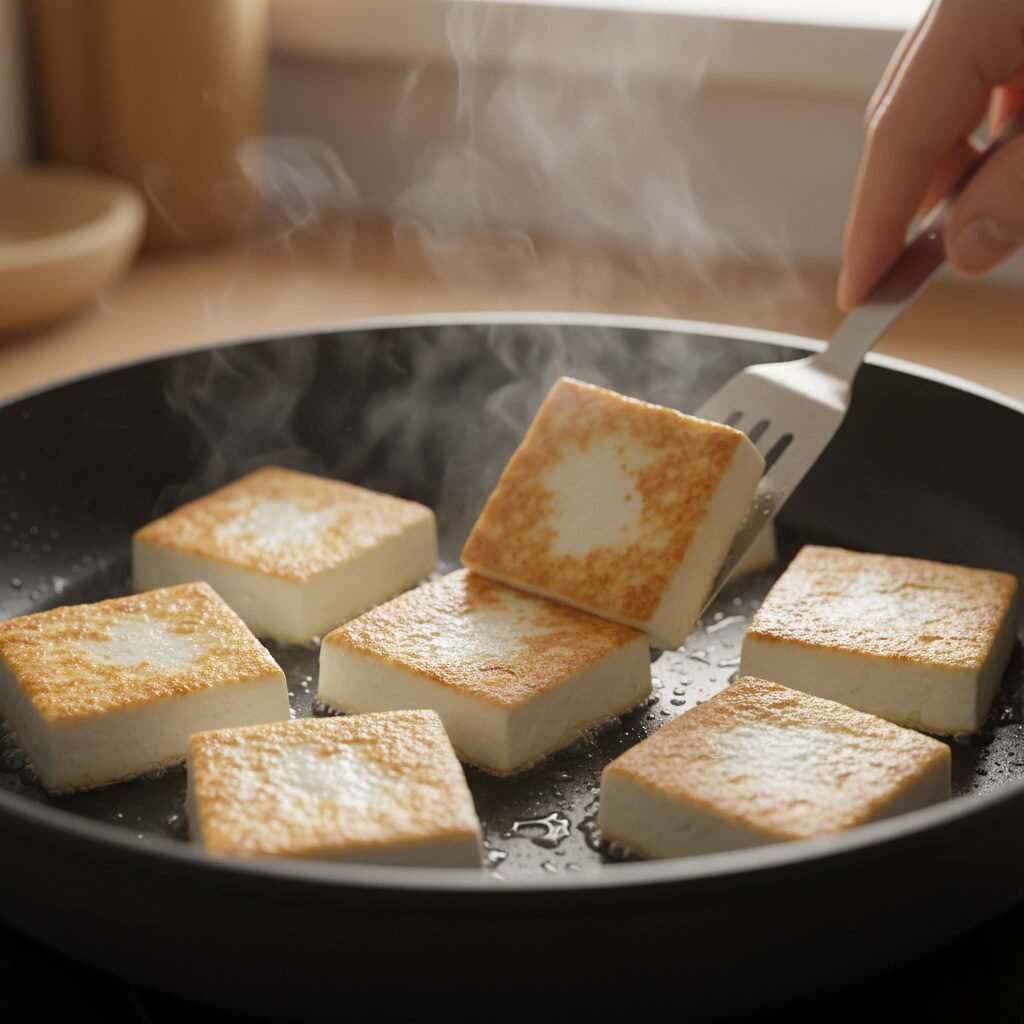
- Pan-Fry the Tofu: Heat 2 tablespoons of neutral oil in a large non-stick skillet over medium-high heat. Carefully add the tofu slices in a single layer, making sure not to overcrowd the pan (you might need to do this in batches). Cook for 3-5 minutes per side, until golden brown and slightly crispy. Remove the tofu from the pan and set aside on a plate lined with paper towels to drain any excess oil.
- Prepare the Sauce: While the tofu is cooking, whisk together the soy sauce, gochugaru, gochujang (if using), sugar or corn syrup, sesame oil, black pepper, and water or vegetable broth in a small bowl. Give it a good stir until everything is well combined.
- Sauté Aromatics: In the same skillet (no need to clean it!), add a tiny bit more oil if needed. Add the minced garlic, grated ginger, and thinly sliced onion. Sauté for 2-3 minutes over medium heat until the onion softens and becomes fragrant. Add the white parts of the chopped green onions and cook for another minute.
- Braise the Tofu: Carefully return the pan-fried tofu slices to the skillet, arranging them in a single layer if possible. Pour the prepared sauce evenly over the tofu. Bring the sauce to a gentle simmer.
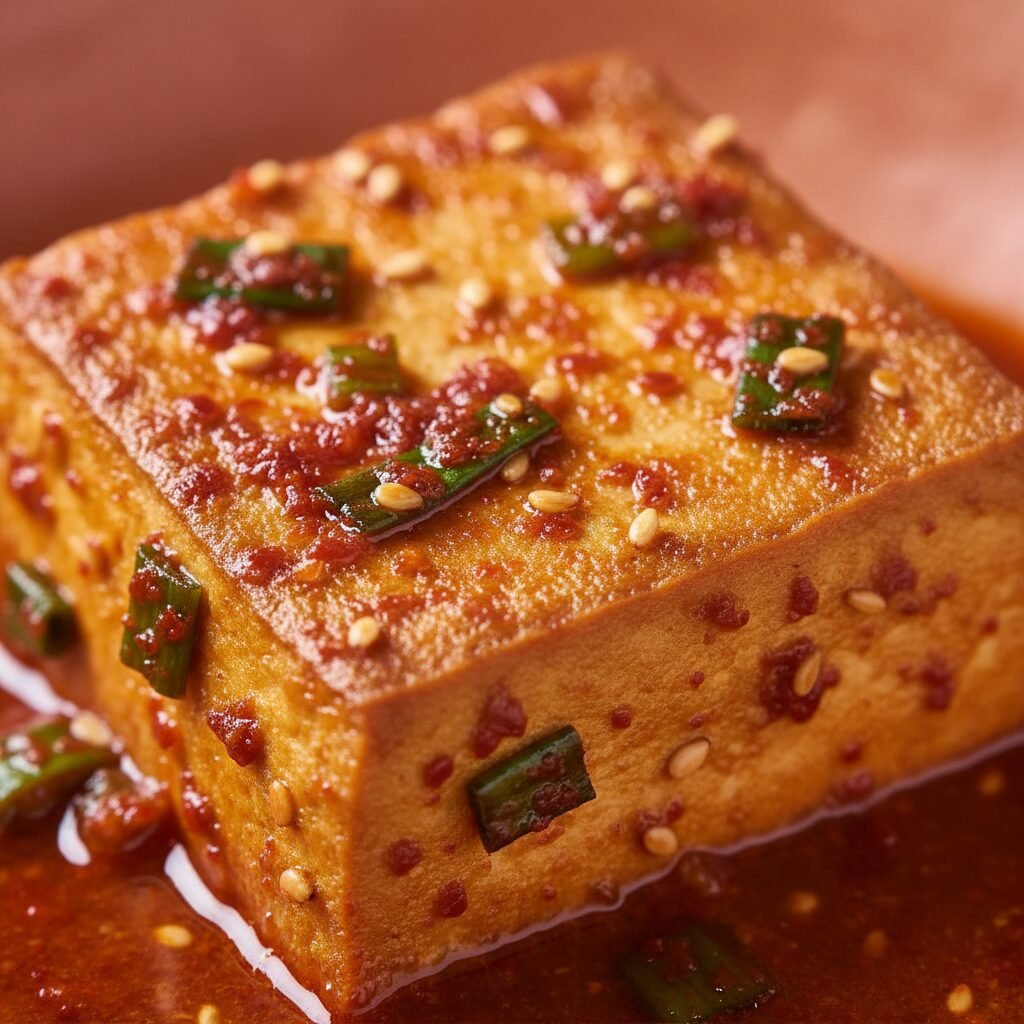
- Simmer and Reduce: Reduce the heat to medium-low, cover the skillet, and let it simmer for 10-15 minutes, or until the tofu has absorbed much of the sauce and the sauce has thickened to a beautiful glaze. Gently flip the tofu halfway through to ensure even coating.
- Garnish and Serve: Once the sauce has reduced and coats the tofu beautifully, remove the skillet from the heat. Garnish generously with the green parts of the chopped green onions and toasted sesame seeds. Serve immediately with warm rice and your favorite Korean side dishes. Enjoy your delicious Spicy Dubu Jorim!
- Taste and Adjust: Always taste your sauce before and after braising! If you prefer it spicier, add more gochugaru. If it’s too salty, a pinch more sugar can balance it. If it’s too thick, a splash more water. Make it perfect for YOUR family!
Expert Cooking Tips
- ✓Pressing the Tofu is Non-Negotiable: Don’t skip this step! It removes excess water, allowing the tofu to crisp up better and absorb more flavor from the sauce.
- ✓Don’t Overcrowd the Pan: When pan-frying the tofu, cook in batches if necessary. Overcrowding lowers the pan’s temperature, leading to steamed rather than crispy tofu.
- ✓Adjust Spice to Your Liking: Gochugaru and gochujang are potent! Start with the recommended amounts and add more if you love extra heat. For less spice, reduce the gochugaru.
- ✓Use Quality Ingredients: Good quality soy sauce, fresh garlic, and ginger make a noticeable difference in the final flavor.
- ✓Gentle Handling: Tofu can be delicate, especially when hot. Use a gentle hand when flipping and serving to keep the pieces intact.
- ✓Let it Rest (Optional): Like many braised dishes, the flavors can deepen if you let it sit for a few minutes off the heat before serving.
Substitutions and Variations
If you’re looking to tweak this recipe to fit your pantry or preferences, here are some easy substitutions! For the tofu, while firm or extra-firm is best, you could try using a block of tempeh for a different texture and nutty flavor – just slice and pan-fry as directed. If you don’t have gochugaru, you can use a smaller amount of regular chili flakes (like red pepper flakes), but be aware the flavor profile will be slightly different and less smoky. For gochujang, if you don’t have it, you can omit it, but you’ll lose some of that deep fermented umami and sweetness; you might add a tiny bit more sugar and a dash of miso paste for depth. If you’re out of soy sauce, tamari is a great gluten-free alternative. For a touch of sweetness, maple syrup or honey can replace sugar or corn syrup, though honey might alter the vegan status. Feel free to experiment with adding other vegetables like thinly sliced carrots or bell peppers during the braising step for extra nutrition and color!
Common Mistakes to Avoid
Oh, we’ve all been there, haven’t we? Making a few little oopsies in the kitchen! With Dubu Jorim, there are a couple of common pitfalls to watch out for. The biggest one is not pressing the tofu enough. If your tofu is still watery, it won’t crisp up nicely when pan-fried, and it won’t absorb the sauce as well, leading to bland, soggy tofu. Another common mistake is overcrowding the pan when frying the tofu. This lowers the oil temperature and steams the tofu instead of frying it, preventing that lovely golden crust. Be patient and cook in batches if needed! Also, not tasting and adjusting the sauce is a missed opportunity. Everyone’s palate is different, and ingredient brands vary. Always taste your sauce before adding the tofu and adjust the spice, sweetness, or saltiness to your family’s preference. Finally, over-reducing the sauce can make it too salty or thick, so keep an eye on it during the simmering phase and add a splash of water if it gets too concentrated.
Serving Suggestions
Spicy Dubu Jorim is a star on its own, but it truly shines when served with a few complementary dishes! My absolute favorite way to enjoy it is with a warm bowl of fluffy steamed white rice – it’s perfect for soaking up all that incredible sauce. For a complete Korean meal experience, pair it with some simple kimchi (store-bought is totally fine!), a refreshing cucumber salad, or some blanched and seasoned spinach (sigeumchi namul). If you’re feeling fancy, a fried egg with a runny yolk on top of your rice and tofu is absolutely divine! It’s also fantastic as part of a larger spread of banchan (Korean side dishes). Don’t forget a sprinkle of extra sesame seeds and a drizzle of sesame oil right before serving for that extra touch of deliciousness!
Storage and Reheating Tips
Good news, busy mamas! Spicy Dubu Jorim is fantastic for meal prep and stores beautifully. Once cooled completely, transfer the Dubu Jorim and its sauce to an airtight container. It will keep wonderfully in the refrigerator for up to 3-4 days. The flavors actually tend to deepen and meld even more overnight, making it taste even better the next day! To reheat, simply warm it gently in a skillet over medium-low heat or in the microwave until heated through. If the sauce has thickened too much, you can add a tablespoon or two of water or vegetable broth to loosen it up. I don’t recommend freezing this dish, as tofu’s texture can change significantly after freezing and thawing, becoming more porous and sometimes rubbery.
Nutrition Facts (Estimated)
| Serving Size | 1/4 recipe |
| Calories | 280 kcal |
| Fat | 18g |
| Saturated Fat | 2g |
| Unsaturated Fat | 15g |
| Trans Fat | 0g |
| Cholesterol | 0mg |
| Sodium | 750mg |
| Carbohydrates | 15g |
| Fiber | 3g |
| Sugar | 8g |
| Protein | 20g |
Frequently Asked Questions
What kind of tofu is best for Dubu Jorim?
For Dubu Jorim, firm or extra-firm tofu is highly recommended. These types hold their shape well during pan-frying and braising and have less water content, which helps them absorb the sauce better. Silken or soft tofu will likely fall apart.
Do I have to press the tofu?
Yes, absolutely! Pressing the tofu is a crucial step. It removes excess water, which allows the tofu to get a nice crispy crust when pan-fried and helps it soak up the delicious braising sauce more effectively. Don’t skip it!
Is Dubu Jorim very spicy?
The spice level is adjustable! This recipe uses gochugaru (Korean chili flakes) and optional gochujang (Korean chili paste). You can reduce the amount of gochugaru for a milder dish or increase it for more heat. The sugar in the sauce also helps to balance the spiciness.
Can I make this recipe gluten-free?
Yes, you can! Simply substitute regular soy sauce with tamari, which is a gluten-free alternative. Ensure your gochujang (if using) is also gluten-free, as some brands may contain wheat.
What if I don’t have gochugaru or gochujang?
Gochugaru and gochujang are key to the authentic Korean flavor. While you can substitute gochugaru with regular red pepper flakes (use less, as they are often spicier), the flavor will be different. Gochujang is harder to substitute, but you can omit it and add a bit more sugar and perhaps a tiny bit of miso paste for depth, though the flavor won’t be quite the same.
Can I bake the tofu instead of pan-frying?
Yes, you can! After pressing, toss the tofu with a tablespoon of oil and bake at 400°F (200°C) for 20-25 minutes, flipping halfway, until golden. This is a great option if you want to avoid frying, but pan-frying often yields a crispier exterior.
Is this dish suitable for meal prepping?
Absolutely! Dubu Jorim is an excellent meal prep option. It stores well in the refrigerator for 3-4 days, and the flavors often improve overnight. Just reheat gently when ready to eat.
What can I serve with Spicy Dubu Jorim?
It’s traditionally served with warm steamed rice and various banchan (Korean side dishes) like kimchi, pickled radishes, or seasoned spinach. A fried egg on top of your rice is also a delicious addition!
Conclusion
And there you have it, my dears! Your very own batch of Spicy Dubu Jorim, ready to bring warmth, flavor, and a little bit of Korean magic to your dinner table. I truly hope this recipe inspires you to try something new and discover just how incredible humble tofu can be when given the right love and attention. It’s more than just a meal; it’s an experience, a moment of comfort, and a delicious way to nourish your family.
Remember, cooking should always be an adventure, a creative outlet, and a way to show love. Don’t be afraid to adjust the spice, add your favorite veggies, or simply savor the process. I can’t wait to hear how this dish transforms your weeknights and becomes a new favorite in your home. Happy cooking, and enjoy every single flavorful bite!