20 Minute Ricotta Gnudi: The ‘Naked’ Ravioli You Can Make at Home
20 Minute Ricotta Gnudi: The ‘Naked’ Ravioli You Can Make At Home
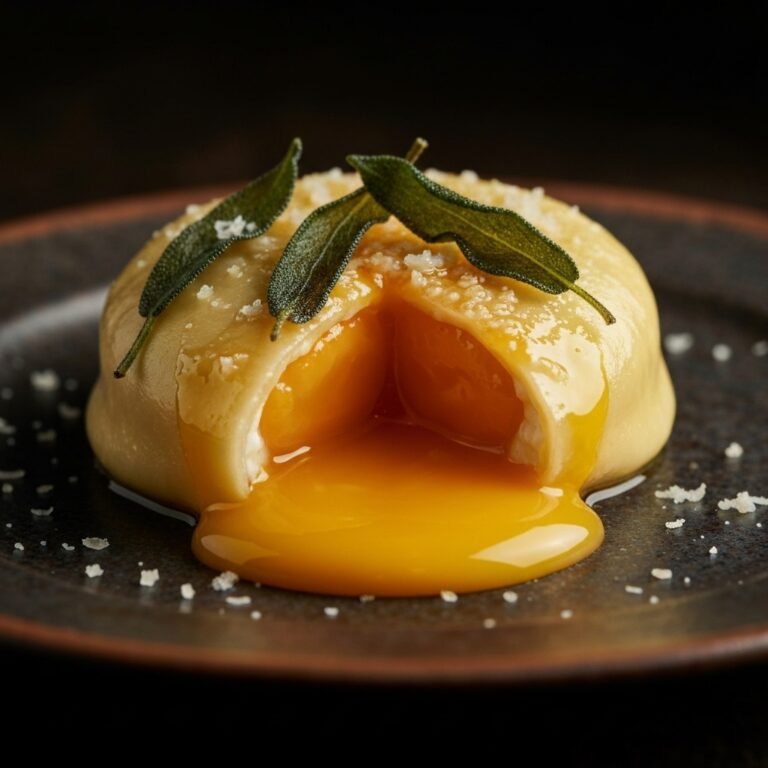
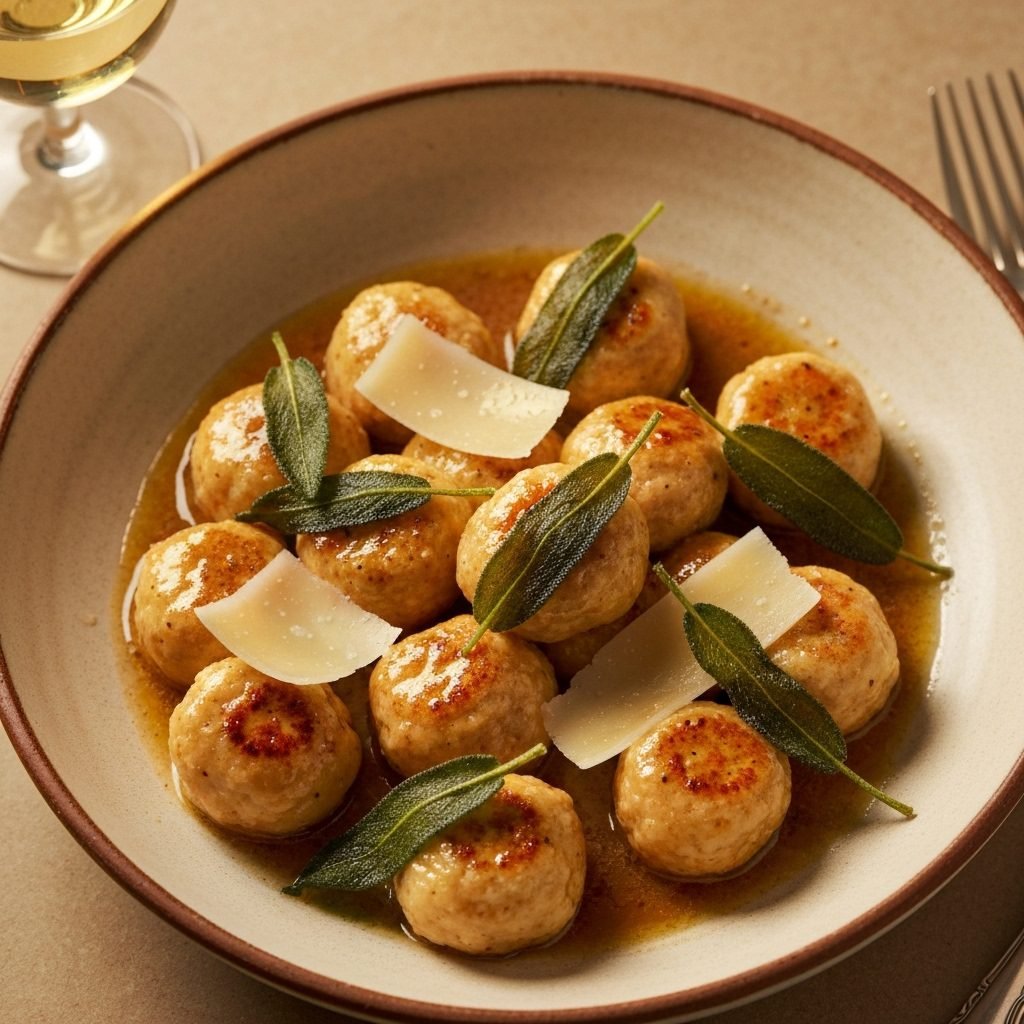
Imagine the most decadent, creamy filling of a perfect ravioli—now, imagine it without the pasta. What you have is gnudi (pronounced ‘nyoo-dee’), a revelation in Italian cuisine. These ‘naked’ ravioli are essentially pillowy dumplings made from ricotta cheese, held together with just a touch of flour and egg. They are impossibly light, tender, and melt in your mouth. While they sound gourmet and complex, the truth is they are one of the fastest, most impressive meals you can make. This recipe will guide you through creating restaurant-quality ricotta gnudi in just 20 minutes, served in a classic, fragrant sage and brown butter sauce. It’s the ultimate weeknight luxury or a stunning dish for entertaining guests that requires minimal effort and maximum flavor.
12 minutes
8 minutes
20 minutes
Serves 2-3
Main Course
Boiling
Italian
Vegetarian
Why You’ll Love This Recipe
- Ready from start to finish in just 20 minutes.
- Creates incredibly light, tender, and pillowy dumplings.
- Uses simple, accessible ingredients for a gourmet result.
- A versatile dish that can be served as an appetizer or main course.
- Naturally vegetarian and satisfyingly rich.
Equipment You’ll Need
- Large pot
- Large mixing bowl
- Slotted spoon
- Baking sheet lined with parchment paper
- Small ice cream scoop or two spoons
- Large skillet or sauté pan
Ingredients
- 15 ounces (about 2 cups) whole milk ricotta cheese, drained well
- 1 cup freshly grated Parmesan cheese, plus more for serving
- 1 large egg yolk
- 1/2 cup all-purpose flour, plus more for dusting
- 1/2 teaspoon kosher salt
- 1/4 teaspoon freshly ground black pepper
- A pinch of freshly grated nutmeg
- 4 tablespoons unsalted butter
- 8-10 fresh sage leaves
Instructions
- First, ensure your ricotta is well-drained. If it seems wet, spread it on a plate lined with paper towels and let it sit for 10-15 minutes to absorb excess moisture. This is the most critical step for light gnudi.
- In a large mixing bowl, combine the drained ricotta, 1 cup of Parmesan cheese, the egg yolk, salt, pepper, and nutmeg. Mix gently with a fork until just combined.
- Sprinkle the 1/2 cup of flour over the cheese mixture. Gently fold it in until a soft, slightly sticky dough forms. Do not overmix.
- Lightly flour a baking sheet lined with parchment paper. Using a small scoop or two spoons, form the mixture into balls about 1 inch in diameter. Gently roll them between your floured palms to smooth them out and place them on the prepared baking sheet.
- Bring a large pot of generously salted water to a gentle boil. You want a simmer, not a rolling boil which can break the delicate gnudi apart.
- Carefully drop the gnudi into the simmering water. Don’t overcrowd the pot; cook in two batches if necessary. They will sink at first, then float to the surface as they cook.
- Once they float (after about 2-4 minutes), let them cook for one more minute. While the gnudi cook, melt the butter in a large skillet over medium heat. Continue cooking until it foams and begins to turn a nutty brown color. Add the sage leaves and cook for about 30 seconds until they are fragrant and slightly crisp.
- Using a slotted spoon, transfer the cooked gnudi directly from the pot into the skillet with the brown butter sauce. Gently toss to coat.
- Serve immediately, spooning the gnudi and sage butter onto plates. Top with a generous amount of extra grated Parmesan cheese.
Expert Cooking Tips
- The secret to light, fluffy gnudi is dry ricotta. If you have time, drain it in a cheesecloth-lined sieve in the refrigerator for a few hours or even overnight.
- Use a light touch when mixing and shaping the dough. Overworking develops the gluten in the flour, resulting in tough, dense gnudi.
- Your cooking water should be well-salted, like seawater. This seasons the gnudi from the outside in as they cook.
- A gentle simmer is key. A vigorous, rolling boil can cause the delicate dumplings to disintegrate.
Substitutions and Variations
For a richer flavor, you can use Pecorino Romano cheese instead of Parmesan. If you don’t have fresh sage, you can make a simple brown butter sauce and finish with fresh parsley or thyme. For a gluten-free version, a 1-to-1 gluten-free all-purpose flour blend can be used, though the texture may be slightly different.
Common Mistakes to Avoid
The most common mistake is using ricotta that is too wet. This forces you to add too much flour, leading to heavy, gummy gnudi. The second mistake is over-boiling. Once they float, they are nearly done; cooking them for too long can cause them to fall apart.
Serving Suggestions
Serve the gnudi as a main course with a simple green salad dressed in a lemon vinaigrette to cut through the richness. They also make an elegant appetizer. Pair with a crisp Italian white wine like a Pinot Grigio or Gavi. For a heartier meal, you can serve them on a bed of wilted spinach or with a light tomato sauce instead of brown butter.
Storage and Reheating Tips
Gnudi are best enjoyed immediately. If you have leftovers, store them in an airtight container in the refrigerator for up to 2 days. Reheat gently in a skillet with a little butter over low heat until warmed through. Avoid microwaving, as it can make them rubbery.
Nutrition Facts (Estimated)
| Serving Size | 1 serving (approx. 1/2 of recipe) |
| Calories | 520 kcal |
| Fat | 35g |
| Saturated Fat | 20g |
| Unsaturated Fat | 12g |
| Trans Fat | 0g |
| Cholesterol | 190mg |
| Sodium | 650mg |
| Carbohydrates | 28g |
| Fiber | 2g |
| Sugar | 4g |
| Protein | 24g |
Frequently Asked Questions
Can I make the gnudi ahead of time?
Yes. You can form the gnudi and arrange them on a floured baking sheet. Cover and refrigerate for up to 8 hours before cooking. You can also freeze them: place the baking sheet in the freezer until the gnudi are solid, then transfer them to a freezer-safe bag for up to 2 months. Cook directly from frozen, adding 2-3 minutes to the cooking time.
Why are my gnudi falling apart in the cooking water?
This can happen for two reasons: the mixture was too wet, or the water was boiling too vigorously. Ensure your ricotta is thoroughly drained and that the water is at a gentle simmer, not a rolling boil. If the dough feels exceptionally wet, you can add one more tablespoon of flour.
Conclusion
With this 20-minute recipe, the elegant, cloud-like ricotta gnudi is no longer a dish reserved for fine Italian restaurants. It’s a simple, stunning meal you can create in your own kitchen with minimal fuss. The combination of creamy ricotta, savory Parmesan, and nutty brown sage butter is a timeless classic that will leave you and your guests in awe. Embrace the simplicity, savor the luxury, and enjoy your homemade ‘naked’ ravioli.