15 Minute Lemon Garlic Butter Shrimp Pasta (Using Frozen Shrimp)
15 Minute Lemon Garlic Butter Shrimp Pasta (Using Frozen Shrimp)
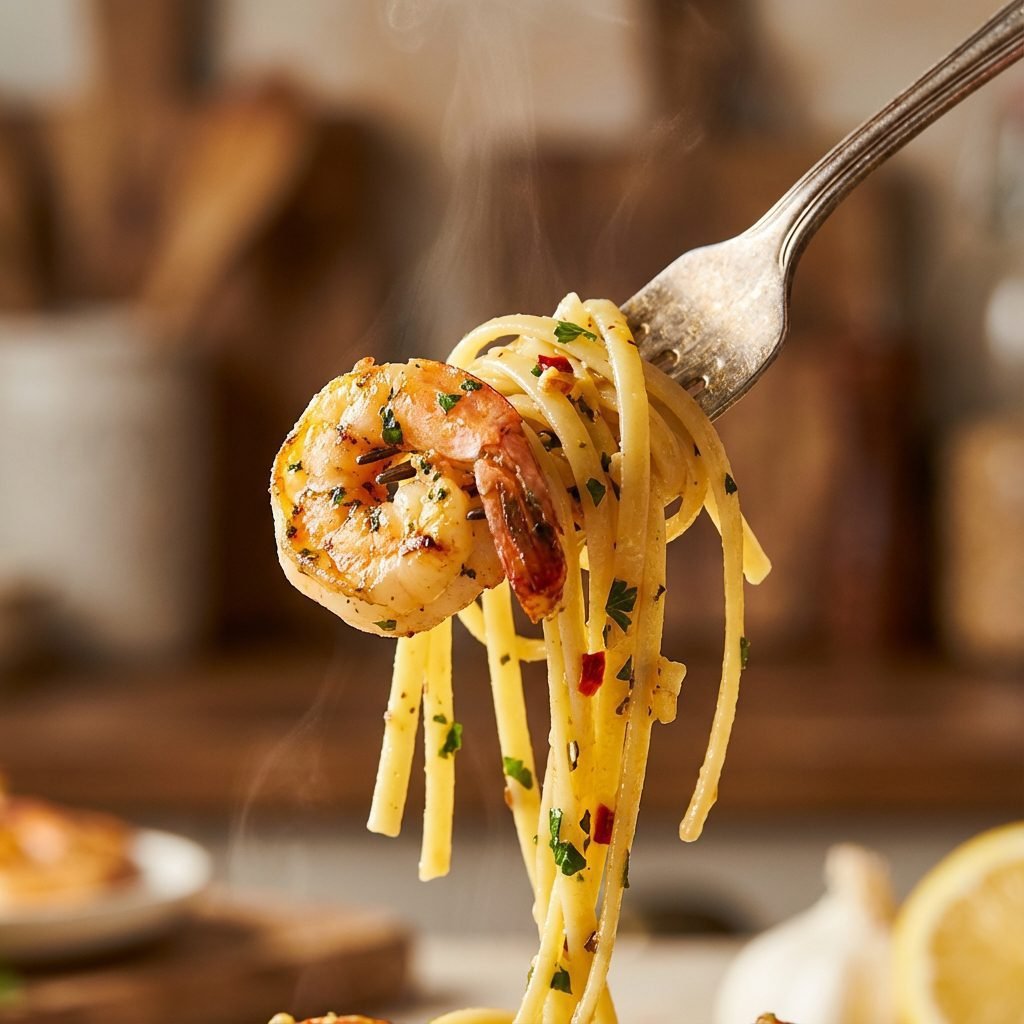
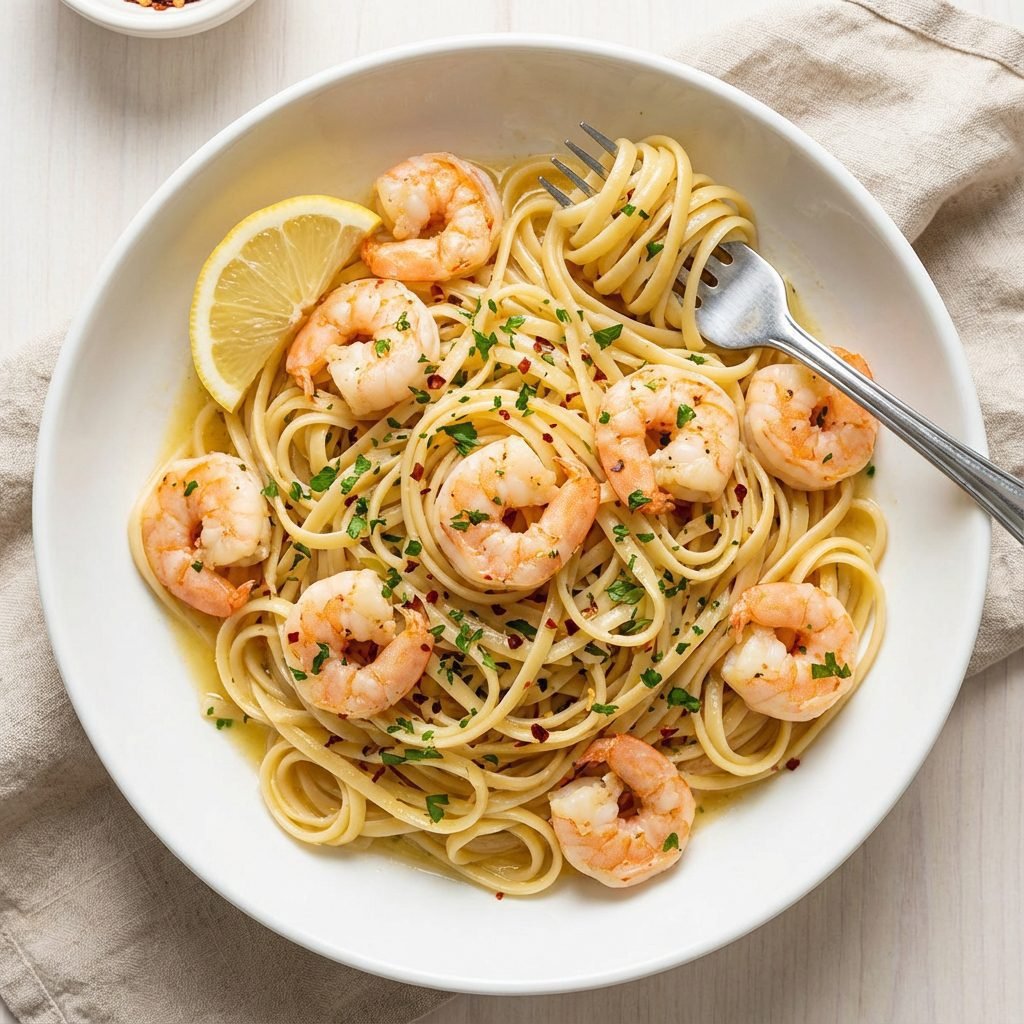
In the relentless pace of modern life, the weeknight dinner dilemma is a familiar struggle. The desire for a delicious, home-cooked meal often clashes with the reality of limited time and energy. Enter the culinary superhero of busy evenings: the 15-minute meal. This Lemon Garlic Butter Shrimp Pasta is not just a recipe; it’s a revolution for your weeknight routine. It promises and delivers an elegant, restaurant-quality dish that is astonishingly simple and incredibly fast to prepare. By leveraging the convenience of frozen shrimp and pantry staples, you can transform a handful of ingredients into a vibrant, satisfying pasta dish brimming with the bright, zesty flavors of lemon, the aromatic punch of garlic, and the rich indulgence of butter. Forget takeout menus and complicated recipes. This dish is your new go-to for a sophisticated yet effortless meal that will impress family, guests, or just yourself, proving that a spectacular dinner is only 15 minutes away.
5 minutes
10 minutes
15 minutes
4 servings
Main Course
Sautéing
Italian-American
General
Why You’ll Love This Recipe
- Ready from start to finish in just 15 minutes.
- Utilizes convenient frozen shrimp for a quick and easy protein.
- Built on common pantry and refrigerator staples.
- A perfect balance of bright, savory, and rich flavors.
- Elegant enough for guests, yet simple enough for any weeknight.
Equipment You’ll Need
- Large pot or Dutch oven (for cooking pasta)
- Large skillet or sauté pan (12-inch recommended)
- Colander
- Measuring cups and spoons
- Chef’s knife
- Cutting board
- Microplane or zester
- Tongs
Ingredients
- 8 ounces linguine or spaghetti
- 1 pound frozen raw large shrimp, peeled and deveined
- 2 tablespoons olive oil
- 4 tablespoons unsalted butter, divided
- 6 cloves garlic, minced
- 1/4 teaspoon red pepper flakes (or more, to taste)
- 1/4 cup dry white wine (like Sauvignon Blanc or Pinot Grigio) or low-sodium chicken broth
- 1 large lemon, zested and juiced (about 1 tsp zest and 3 tbsp juice)
- Kosher salt, to taste
- Freshly ground black pepper, to taste
- 1/2 cup reserved pasta water
- 1/4 cup chopped fresh parsley, for garnish
Instructions
- Start the clock! Immediately fill a large pot with water and bring to a rolling boil over high heat. Once boiling, season generously with salt (it should taste like the sea). Add the linguine and cook according to package directions for al dente, typically 8-10 minutes.
- While the water comes to a boil, quick-thaw the shrimp. Place the frozen shrimp in a colander and run cool water over them for 3-5 minutes, tossing occasionally, until thawed. Pat the shrimp completely dry with paper towels. This step is crucial for getting a good sear.
- While the pasta cooks, begin the sauce. Heat the olive oil and 2 tablespoons of butter in a large skillet over medium-high heat. Once the butter is melted and foaming, add the thawed and dried shrimp in a single layer. Season with salt and pepper.
- Cook the shrimp for 1-2 minutes per side, just until they turn pink and opaque. Be careful not to overcook. Remove the shrimp from the skillet with a slotted spoon or tongs and set aside on a plate.
- Reduce the skillet heat to medium. Add the remaining 2 tablespoons of butter. Once melted, add the minced garlic and red pepper flakes. Sauté for about 30-60 seconds, stirring constantly, until the garlic is fragrant. Do not let it brown or it will become bitter.
- Immediately deglaze the pan by pouring in the white wine or chicken broth. Scrape up any browned bits from the bottom of the skillet with a wooden spoon. Let the liquid simmer and reduce by about half, which should take about 2 minutes.
- By now, your pasta should be al dente. Just before draining, use a mug or heatproof measuring cup to reserve at least 1 cup of the starchy pasta water. Drain the pasta in a colander.
- Turn off the heat under the skillet. Add the drained pasta directly to the skillet with the garlic sauce. Add the cooked shrimp, lemon zest, and lemon juice. Toss everything together with tongs.
- Add 1/2 cup of the reserved pasta water and toss vigorously. The starch in the water will emulsify with the butter and oil, creating a creamy, glossy sauce that clings to the pasta. If the sauce seems too thick, add more pasta water, one tablespoon at a time, until it reaches your desired consistency.
- Stir in the fresh parsley. Taste and adjust seasoning with more salt, pepper, or red pepper flakes if needed. Serve immediately, garnished with extra parsley and a lemon wedge on the side.
Expert Cooking Tips
- The Secret to 15 Minutes: The key to this recipe’s speed is multitasking. Get the pasta water boiling first, as it takes the longest. While it heats, prep your other ingredients so everything is ready to go.
- Don’t Crowd the Pan: When cooking the shrimp, ensure they are in a single layer in the skillet. If you overcrowd the pan, they will steam instead of sear, resulting in a rubbery texture. Cook in two batches if necessary.
- The Power of Pasta Water: Do not skip reserving the pasta water. This starchy liquid is the magic ingredient that transforms your sauce from oily to silky smooth. It helps the sauce adhere to the pasta beautifully.
- Pat Shrimp Dry: For the best texture, it’s essential to pat the thawed shrimp completely dry with paper towels before adding them to the hot pan. Moisture is the enemy of a good sear.
- Cook to Al Dente: Cook the pasta until it is ‘al dente’ (to the tooth), meaning it still has a slight bite. It will continue to cook slightly when you toss it with the hot sauce in the skillet.
Substitutions and Variations
Pasta: Angel hair can be used for an even faster cook time, or you can use other shapes like penne or fusilli. Protein: This sauce works well with bay scallops or thinly sliced chicken breast (adjust cook time accordingly). Wine/Broth: If you have neither white wine nor chicken broth, you can use an extra splash of reserved pasta water with a squeeze of lemon juice. Herbs: While fresh parsley is classic, you could substitute with fresh chives or a teaspoon of dried oregano in a pinch. Butter: For a dairy-free version, use a high-quality vegan butter substitute and ensure your broth is vegetable-based.
Common Mistakes to Avoid
Overcooking the Shrimp: Shrimp cook extremely quickly. They are done the moment they turn pink and curl into a ‘C’ shape. An overcooked shrimp (‘O’ shape) will be tough and rubbery. It’s better to slightly undercook them in the initial sear, as they will cook a bit more when returned to the pasta. Burning the Garlic: Minced garlic can go from fragrant to burnt in seconds. Keep the heat on medium and stir constantly. If it burns, it will ruin the sauce with a bitter taste; it’s best to start over. Forgetting to Reserve Pasta Water: Pouring all the pasta water down the drain is a common mistake. It’s the key to a luscious, emulsified sauce. Keep the mug for reserving water right next to the pot as a reminder. An Oily Sauce: If your sauce seems broken or oily, it’s likely because it wasn’t emulsified properly. Add a splash of the hot, starchy pasta water and toss or whisk vigorously to bring it together.
Serving Suggestions
This dish is a complete meal on its own, but it pairs wonderfully with simple sides. Serve with a crisp green salad tossed in a light vinaigrette to cut through the richness of the butter sauce. A side of crusty garlic bread or a warm baguette is perfect for soaking up any leftover sauce at the bottom of the bowl. For a wine pairing, a glass of the same dry white wine used in the sauce, such as a Sauvignon Blanc or Pinot Grigio, is an excellent choice.
Storage and Reheating Tips
Store any leftovers in an airtight container in the refrigerator for up to 2 days. Seafood is best enjoyed fresh, as the texture of shrimp can change upon reheating. To reheat, gently warm the pasta in a skillet over low heat. Add a splash of water or chicken broth to loosen the sauce and prevent it from becoming dry or oily. Avoid using a microwave, as it can make the shrimp rubbery.
Nutrition Facts (Estimated)
| Serving Size | Approximately 1.5 cups |
| Calories | 510 kcal |
| Fat | 22g |
| Saturated Fat | 10g |
| Unsaturated Fat | 12g |
| Trans Fat | 0g |
| Cholesterol | 210mg |
| Sodium | 650mg |
| Carbohydrates | 48g |
| Fiber | 3g |
| Sugar | 3g |
| Protein | 28g |
Frequently Asked Questions
Can I use pre-cooked frozen shrimp?
Yes, you can, but the texture will be slightly inferior. If using pre-cooked shrimp, thaw them the same way but do not cook them in the initial step. Add them to the skillet at the very end with the pasta, just to heat them through for about 1 minute. Overheating will make them tough.
How do I know when the shrimp is perfectly cooked?
Raw shrimp are translucent and grey. As they cook, they turn opaque and pink. The shape is the best indicator: a perfectly cooked shrimp will curl into a gentle ‘C’ shape. If it curls into a tight ‘O’, it’s overcooked.
Can I make this recipe gluten-free?
Absolutely. Simply substitute your favorite gluten-free pasta and cook it according to the package directions. The sauce ingredients are naturally gluten-free.
My sauce seems too thin. How can I fix it?
If your sauce is too thin, it may need more time to emulsify or more starch. Ensure you are tossing the pasta and sauce vigorously. You can also let it simmer for an extra minute (before adding the shrimp back in) to reduce slightly. If it’s still thin, a tiny bit more pasta water and vigorous tossing should help it thicken and cling to the pasta.
Conclusion
This 15-Minute Lemon Garlic Butter Shrimp Pasta is a testament to the fact that you don’t need to sacrifice flavor or elegance for speed and convenience. It’s a versatile, reliable recipe that delivers a delicious and impressive meal every single time. Whether you’re a novice cook or a seasoned pro, this dish is destined to become a staple in your culinary repertoire. So, the next time you’re staring into the fridge wondering what to make, remember that a bright, buttery, and utterly satisfying pasta dinner is just a quarter of an hour away.